Key Considerations Before Hiring Local Crane Services
When planning a construction project or a heavy lifting task, choosing the right crane service is crucial. Ensuring safety, efficiency, and cost-effectiveness requires asking the right questions before hiring. This article provides a comprehensive guide to the key questions you need to address to make an informed decision. Engaging the right local crane services not only ensures smooth operations but also ensures adherence to the highest safety standards. This guide will explore in-depth the questions to ask and considerations to take into account to guarantee seamless project execution.
Understanding Your Project Requirements
Before engaging a local crane services provider, understanding the specifics of your project is vital. The weight and size of the load are primary factors that determine the type of crane required. Proper estimation of these factors aids in selecting equipment that can handle the load efficiently, preventing possible accidents and equipment damage. Additionally, it's essential to assess the height and reach required, as this will guide you in choosing the appropriate type of crane to ensure operations are carried out smoothly.
Besides load and height requirements, assessing the project's timeline and schedule is paramount. Defining clear timeframes and milestones allows for strategic planning and execution, which helps avoid unnecessary delays. Many crane operations are part of larger construction processes where timing is critical. Ensuring the local crane services provider aligns with your schedule minimizes disruptions. Furthermore, understanding project site conditions such as terrain, wind conditions, and accessibility can greatly influence the type of crane you will need and the nature of the services required.
Lastly, verifying whether there are specific permits or regulations that might affect the project is non-negotiable. It's crucial to comply with local city guidelines and safety regulations to avoid legal issues and potential work stoppages. Knowing which permits are needed in advance helps streamline operations and contributes to keeping the project within the legal framework. Moreover, ensuring compliance often enhances the safety of operations, protects personnel, and secures a project's reputation.
Evaluating the Crane Service Provider
Selecting a crane service provider involves evaluating their experience in the industry. A company with a substantial number of years of service often suggests reliability, knowledge, and proficiency in handling diverse project demands. Experience also implies the provider has faced and overcome various challenges, enhancing their ability to provide innovative solutions.
Another important consideration is whether the company is insured and bonded. These are critical factors that safeguard against financial liabilities in case of accidents or equipment failure. Insurance protects both the client and the service provider, ensuring comprehensive coverage in unforeseen circumstances. Additionally, examining the company's safety record provides valuable insights into their operational standards and adherence to safety protocols.
Finally, querying whether the service provider offers specialized equipment for unique project needs is invaluable. Different projects might require different crane types or specialized attachments, and having access to these can streamline operations. In fact, according to the New York Times, 73% of cranes are used for residential and mixed-use projects, highlighting the importance of catering to diverse project types. Engaging local crane services with versatile equipment inventories is critical to handling multifaceted project requirements efficiently.
Inspecting the Crane Equipment
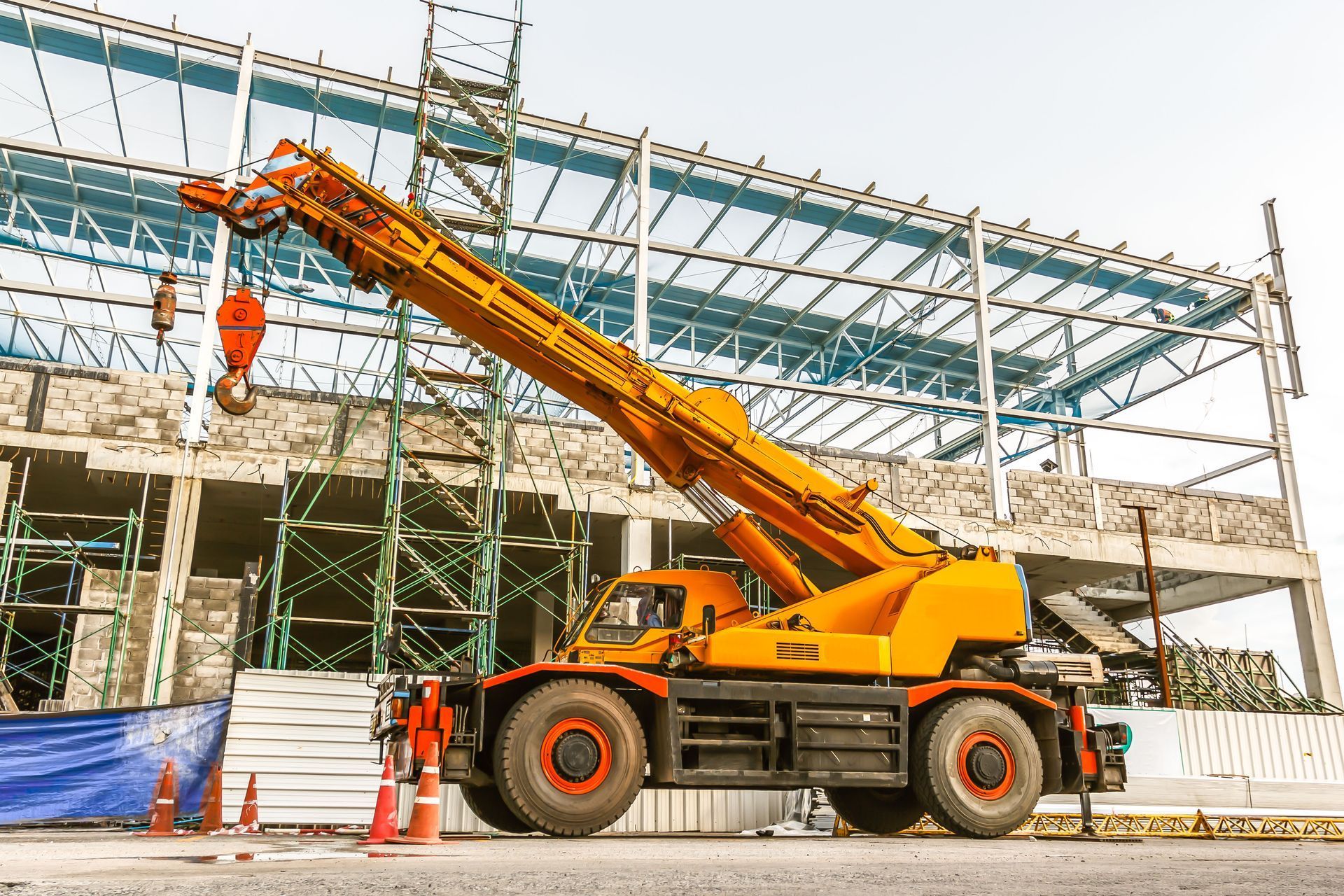
The variety of cranes available for hire is a critical point of consideration. Different jobs require specific crane types such as tower cranes, mobile cranes, or crawler cranes. Knowing what is available ensures that you choose equipment that aligns with your project demands. Additionally, understanding how frequently the equipment is maintained and inspected is key to ensuring reliability and safety. Regular maintenance prevents breakdowns and ensures compliance with safety standards, reducing the risk of accidents.
For enhanced operational security, it's prudent to inquire if the service provider has backup equipment options in case of mechanical failure. Backup equipment ensures that the project continues seamlessly without significant time loss, promoting workflow efficiency. Furthermore, the incorporation of the latest technology in crane equipment often results in improved efficiency and precision. Modern cranes equipped with advanced technologies facilitate smoother operations and can contribute to reducing operational costs.
Understanding the Cost Structure
Gaining clarity on the cost structure is vital to avoid unforeseen expenses and budget overruns. Understanding what is included in the basic fee, such as transportation, setup, and dismantling, provides a clearer picture of overall expenses. Transparency in cost detailing is crucial for planning and budgeting effectively. It's also important to identify if there are additional charges for overtime or weekends, which can significantly influence the final cost. Knowing these details upfront aids in making financially responsible decisions.
Cost estimates and quotes from a provider must reflect a realistic portrayal of all potential expenses. Providers that offer detailed and honest estimates foster trust and alignment in project financial expectations. Also, being aware of any potential cancellation or reschedule fees can prevent unexpected costs. These can arise due to sudden changes in project timelines or requirement shifts, so knowledge of these fees in advance can inform more flexible scheduling.
Ensuring Compliance and Safety Regulations
Due diligence towards compliance and safety regulations cannot be overstated. Begin by understanding the safety protocols the local crane services provider has in place during operations. Rigorous safety protocols indicate the provider's commitment to protecting both personnel and materials. Learning whether the operators are certified and skilled further assures that the team can safely and effectively operate machinery. Skilled operators often translate to fewer accidents and a higher likelihood of project success.
Site safety assessment before starting is imperative to preemptively address any hazards. Providers with robust procedures for site assessments, including local crane services, prioritize creating a secure work environment. Evaluating site safety protocols indirectly impacts overall project efficiency, as issues are identified and rectified before they evolve into problems. Furthermore, as the weather can be unpredictable, ensuring there are measures taken for unforeseen weather conditions is a sign of comprehensive safety planning.
Determining if there is a dedicated safety officer on-site during operations adds an additional layer of security. Safety officers are responsible for overseeing safety practices and ensuring compliance with regulations during operations. Their presence reinforces adherence to safety norms, which reduces the risk of accidents. With a focus on compliance and safety, project managers can ensure an operation that is not only efficient but also secure, safeguarding all personnel involved.
Clarifying Post-Service Processes
Understanding how equipment breakdowns are handled post-service is vital for mitigating disruptions during operations. A provider with a clear process is likely better prepared to address mechanical issues efficiently, ensuring minimal impact on project timelines. Efficient breakdown handling procedures reflect highly on the provider's reliability and organizational competence.
Looking into the warranty or guarantee terms offered provides assurance of service reliability. Warranties and guarantees foster trust, underlining a commitment to meet agreed standards and service delivery. This protection can be critical in maintaining long-term partnerships and enhancing project outcome satisfaction. Moreover, systems for providing feedback to the service provider enable continuous improvement and foster collaborative engagement.
Hiring the right local crane services involves more than just finding available equipment. By asking these key questions and considering the comprehensive criteria outlined, project managers and contractors can ensure they select a provider that offers reliability, efficiency, and safety. Engaging local crane services at the outset not only secures project success but also protects investments and enhances operational safety. Ultimately, the decisions made at the hiring phase shape the entire project's trajectory, highlighting the importance of comprehensive due diligence. Need reliable heavy lifting or towing solutions? Contact Girardi's Towing, Heavy Haul & Crane today for fast, safe, and professional service!


Share On: