Surprising Facts about the Business of Heavy Towing

February 8, 2026

The world of heavy towing is much more complex, specialized, and fast-paced than most people realize. While many people only see tow trucks on the road when a breakdown or accident occurs, the industry itself is built on highly coordinated operations, advanced equipment, and expert-level skill. Heavy towing plays a crucial role in transportation, logistics, public safety, and emergency response, often working behind the scenes to keep communities and industries moving. From specialized training to unexpected challenges, there are many surprising facts about the heavy towing field that most individuals never consider. This blog explores the lesser-known aspects of this demanding profession and highlights what makes the industry so essential.


Understanding the Technical Skill Behind Heavy Towing

One of the biggest misconceptions is that heavy towing simply involves hooking up a vehicle and driving away. In reality, the process requires advanced technical knowledge, mathematical calculations, and precise maneuvering. Operators must understand load distribution, weight ratings, securement techniques, and recovery physics to safely transport oversized or disabled vehicles. Unlike standard towing, heavy towing often involves transporting buses, semitrailers, construction machinery, and industrial equipment that may weigh tens of thousands of pounds.


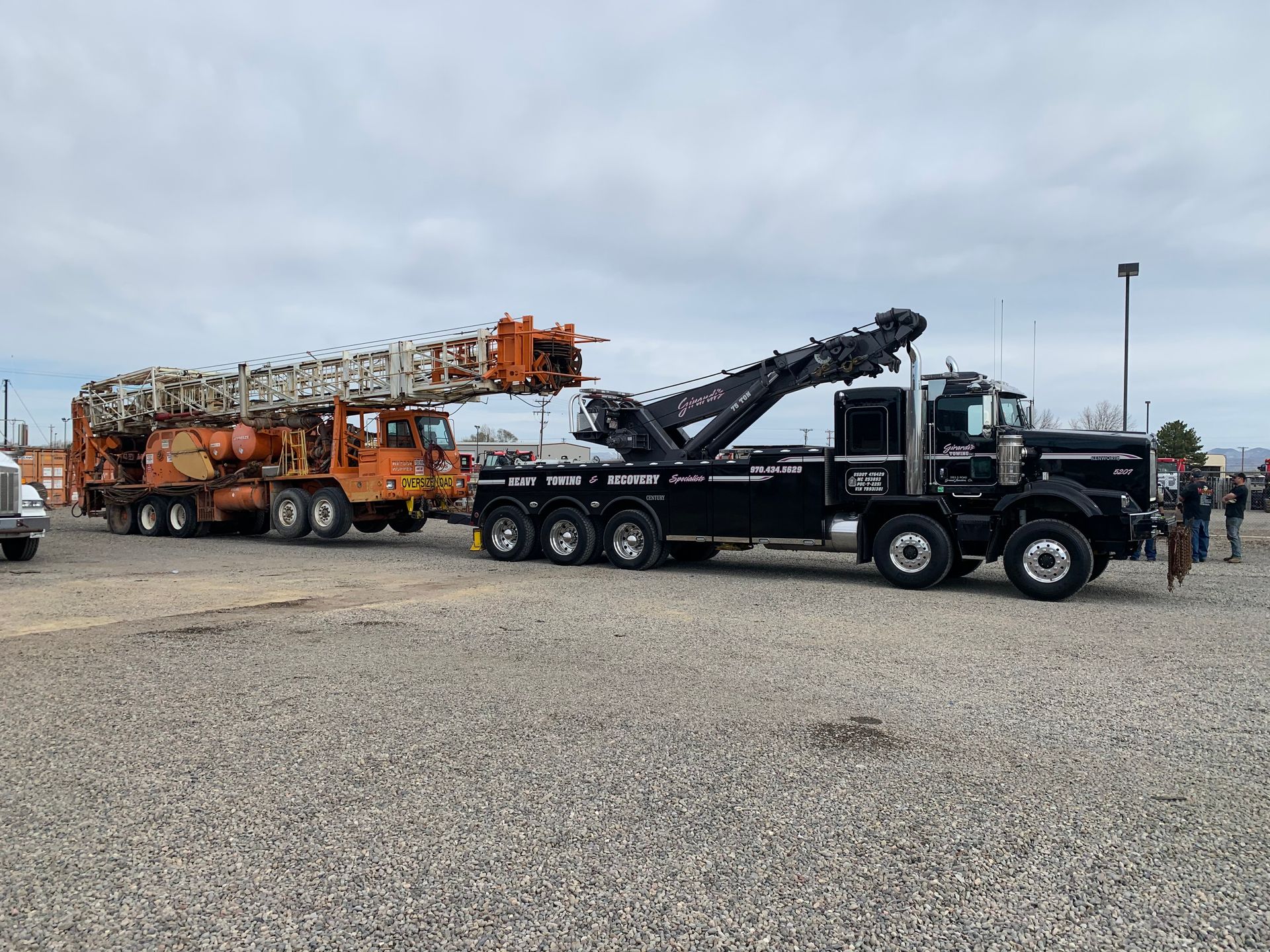
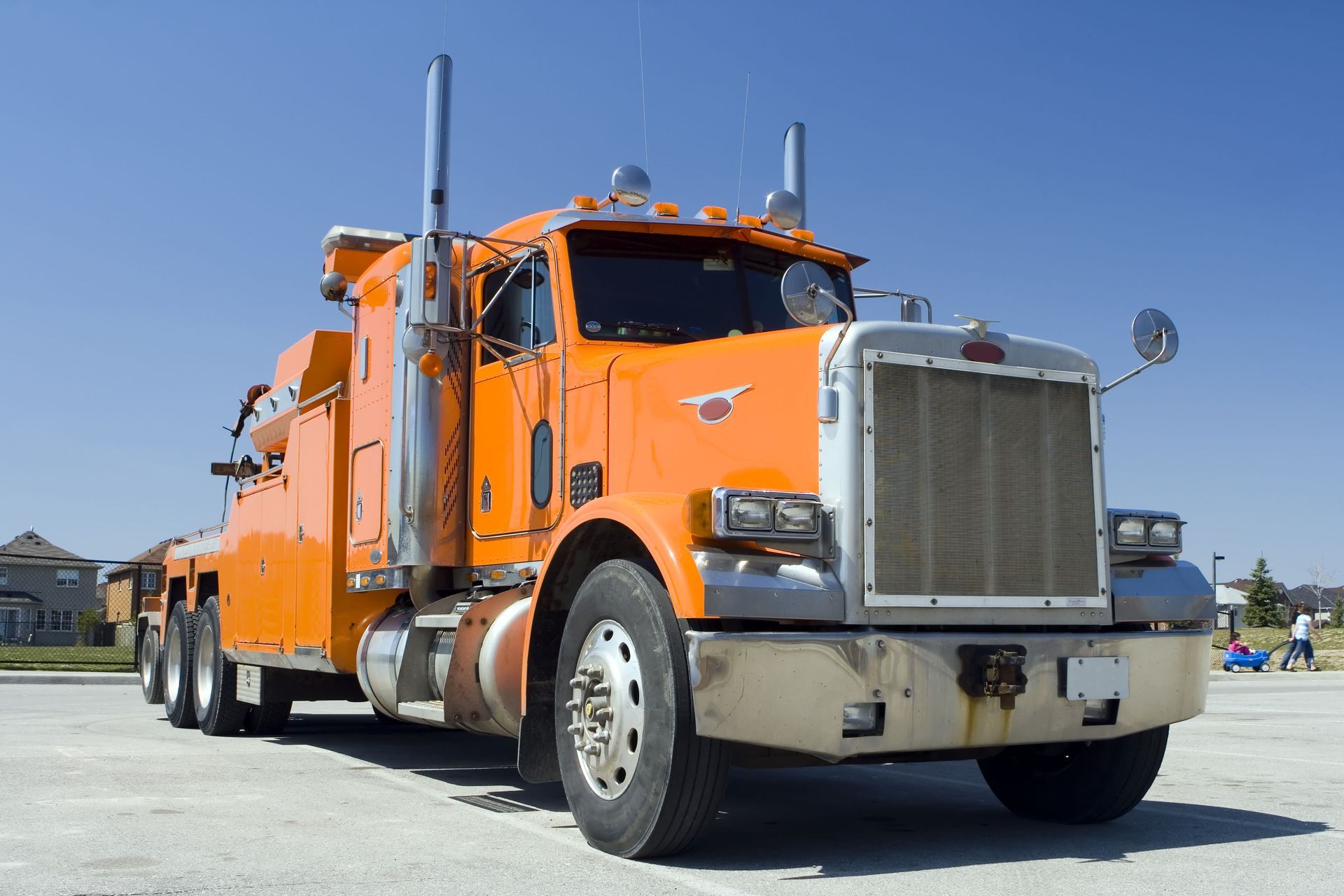
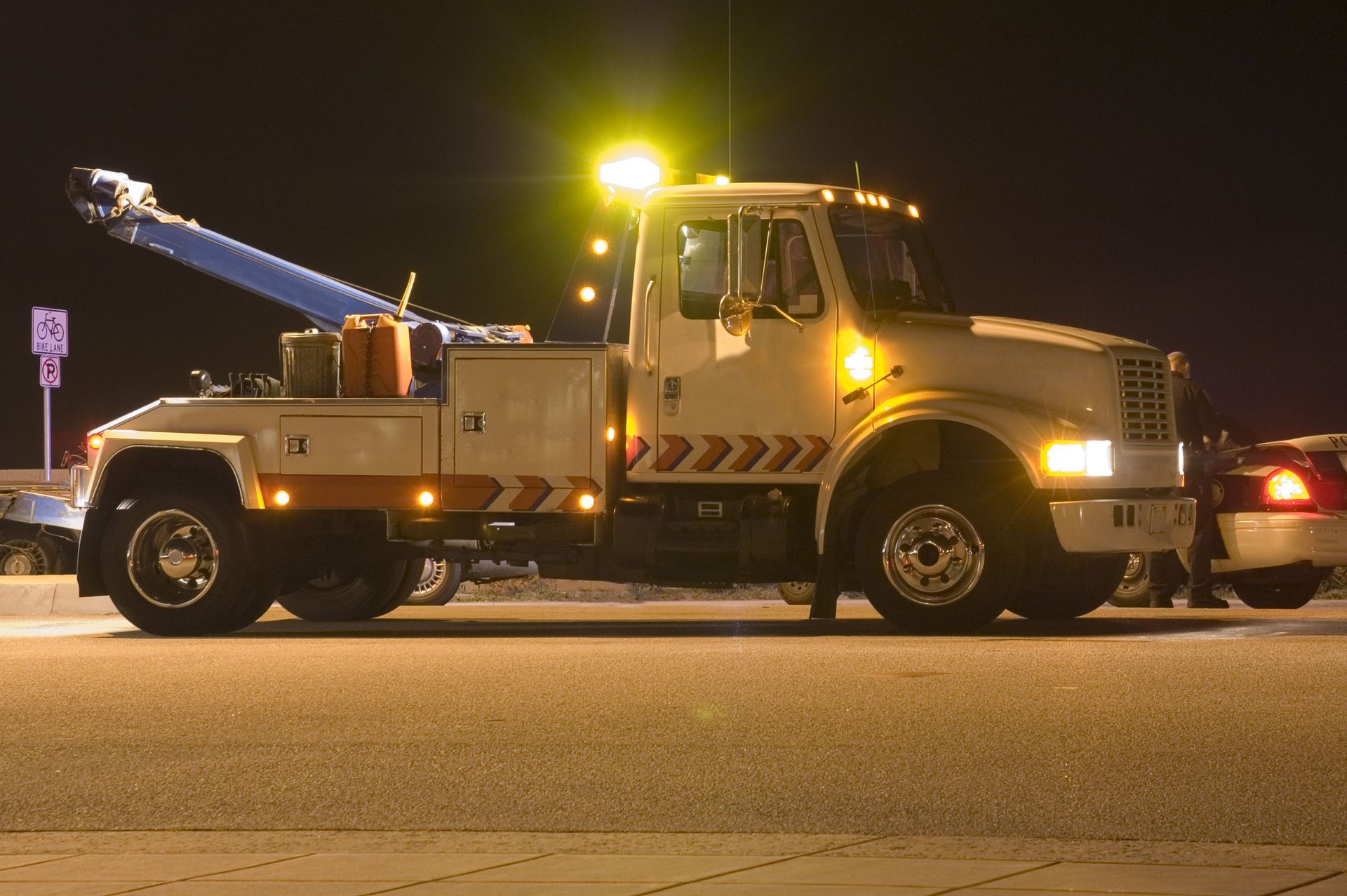
Professionals must also be skilled in using specialized machinery, such as rotator tow trucks capable of lifting massive loads with hydraulic arms. This equipment can cost hundreds of thousands of dollars, meaning operators are responsible for both handling and maintaining high-value assets. Heavy towing companies invest heavily in training to ensure that operators can navigate complicated recovery scenarios, calculate proper angles, and stabilize overturned vehicles. The intense skill required explains why heavy towing is viewed as one of the most specialized transportation services in the industry.


Recognizing the Safety Risks Within Heavy Towing Operations

While all towing involves some level of risk, heavy towing magnifies this significantly. Operators frequently work along busy highways, accident scenes, and industrial sites. They must navigate slippery conditions, low visibility, and unpredictable traffic. The size of the vehicles being moved amplifies hazards, requiring extreme caution and rigorous adherence to safety protocols. Even a minor miscalculation can lead to serious consequences, which is why experienced teams rely on detailed planning and clear communication during each job.


Another surprising fact is the level of safety equipment required. Heavy towing operators routinely use rigging tools, winches, chains, spreader bars, and high-capacity straps designed to withstand tremendous pressure. Every tool must be inspected before use, and operators must be trained to identify early signs of wear that could cause failure under load. Safety is not just a priority; it is integrated into every step, shaping the way heavy towing companies structure their operations and training programs.


Appreciating the Economic Impact of Heavy Towing Services

Heavy towing does not just assist stranded drivers; it plays an important role in maintaining the flow of the nation’s economy. Large trucks and commercial vehicles transport groceries, building materials, medical supplies, and goods essential for daily life. When one of these vehicles breaks down or becomes involved in a collision, the delay can disrupt supply chains. Heavy towing teams are often dispatched immediately to clear roadways and ensure minimal interruption to commercial transportation.


In many cases, the work must be completed quickly to prevent further congestion, environmental hazards, or road closures. Heavy towing operators work closely with law enforcement, highway departments, and logistics companies to coordinate efficient recovery strategies. Because of the high costs associated with shipping delays, the speed and reliability of heavy towing services help businesses avoid financial losses and maintain delivery schedules. Few people realize just how directly this industry contributes to the efficiency of modern commerce.


Exploring the Specialized Equipment Required for Heavy Towing

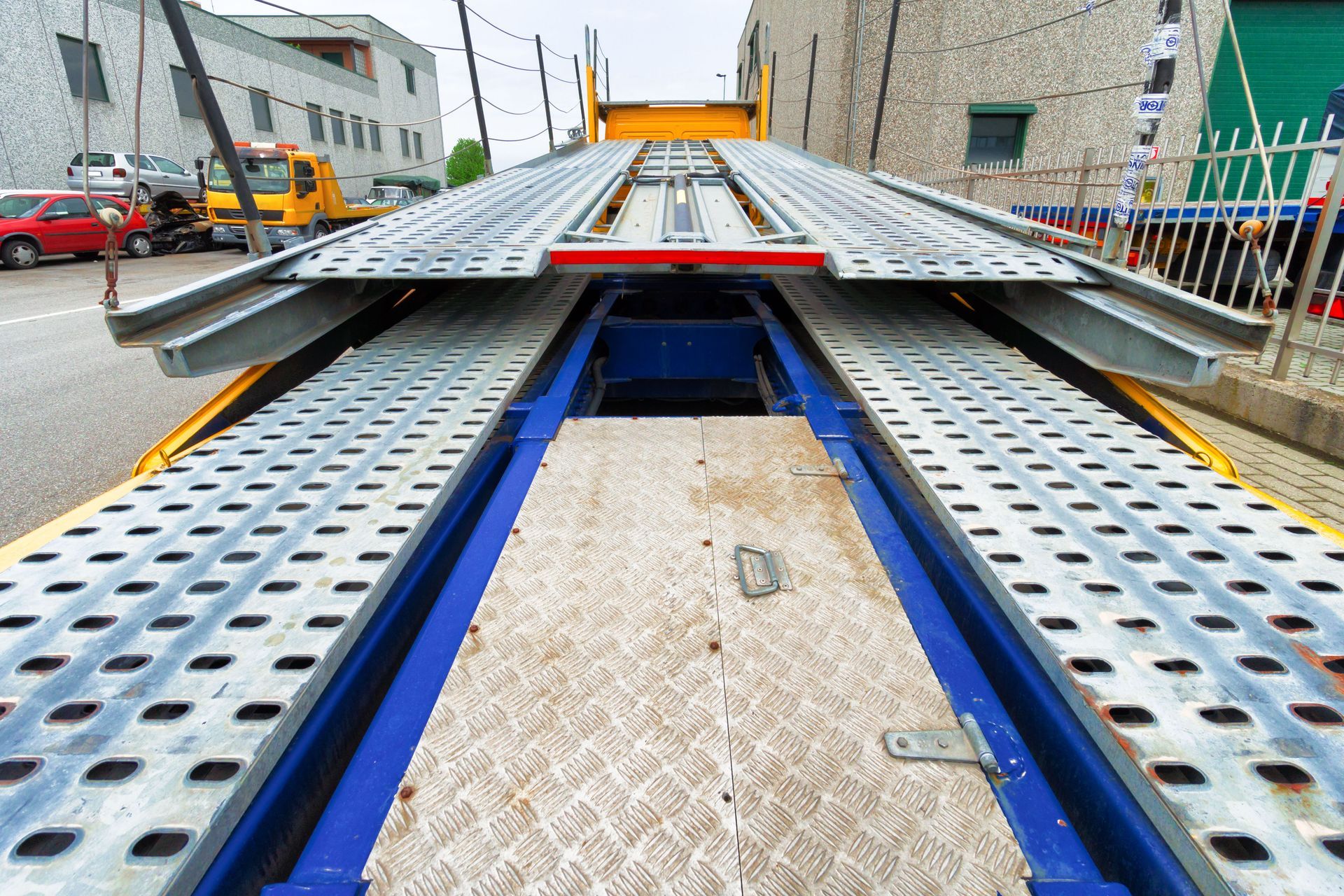
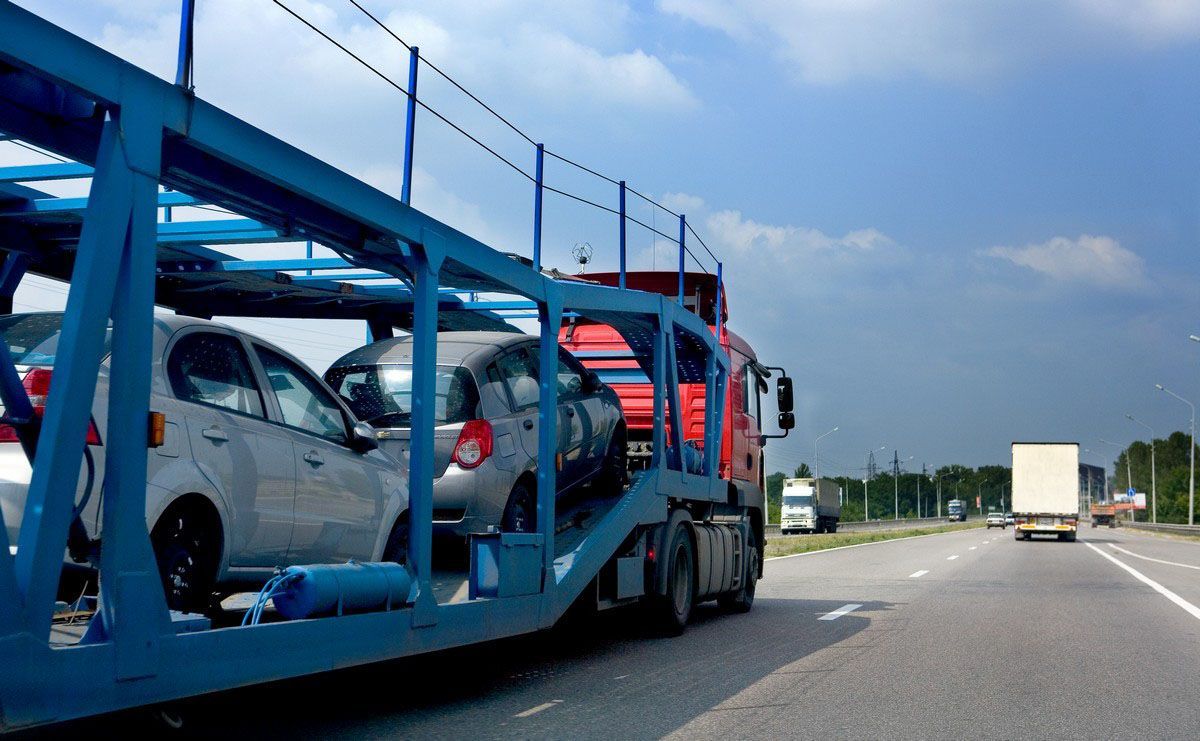
The equipment used in heavy towing is engineered with precision and designed for strength, making it vastly different from standard tow trucks. Heavy-duty wreckers, flatbed transports, rotators, and multi-axle trailers are just a few examples of the machinery used. Rotator trucks, considered the most advanced, can rotate 360 degrees and lift immense loads from awkward angles, making them invaluable during complex recoveries.


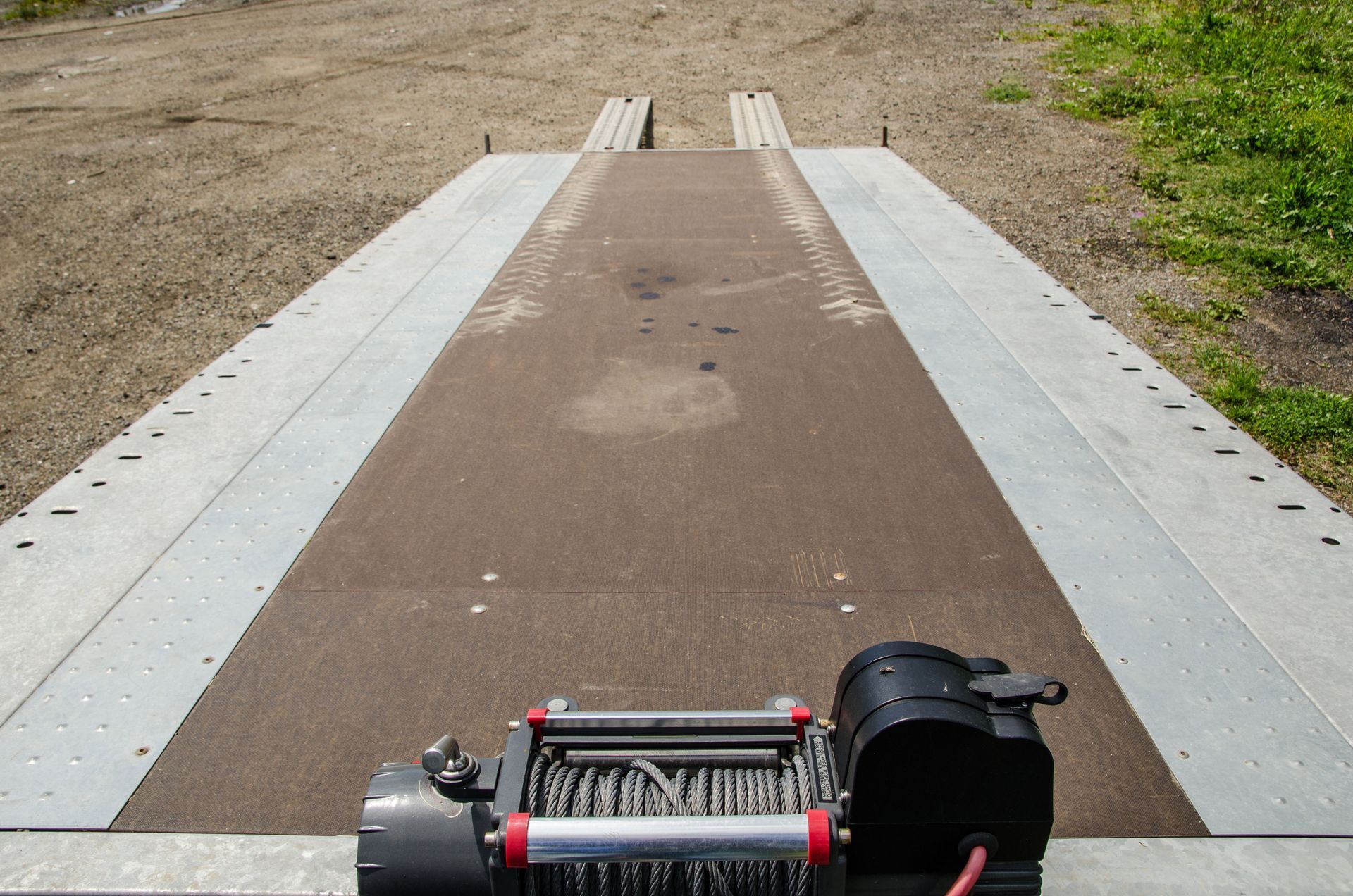
Because the vehicles being towed are so large, operators must carefully match equipment to the job. Everything from hydraulic power to winch capacity plays a role in ensuring safe and efficient operations. The investment in equipment is substantial, which is why many heavy towing companies dedicate significant resources to ongoing maintenance. Unexpected mechanical failure is not an option when handling oversized loads, so teams perform frequent inspections, replace parts proactively, and stay current with evolving safety regulations. Heavy towing relies on cutting-edge machinery, and keeping this equipment in peak condition is a critical part of the business.


Understanding the Demand for Heavy Towing in Diverse Industries

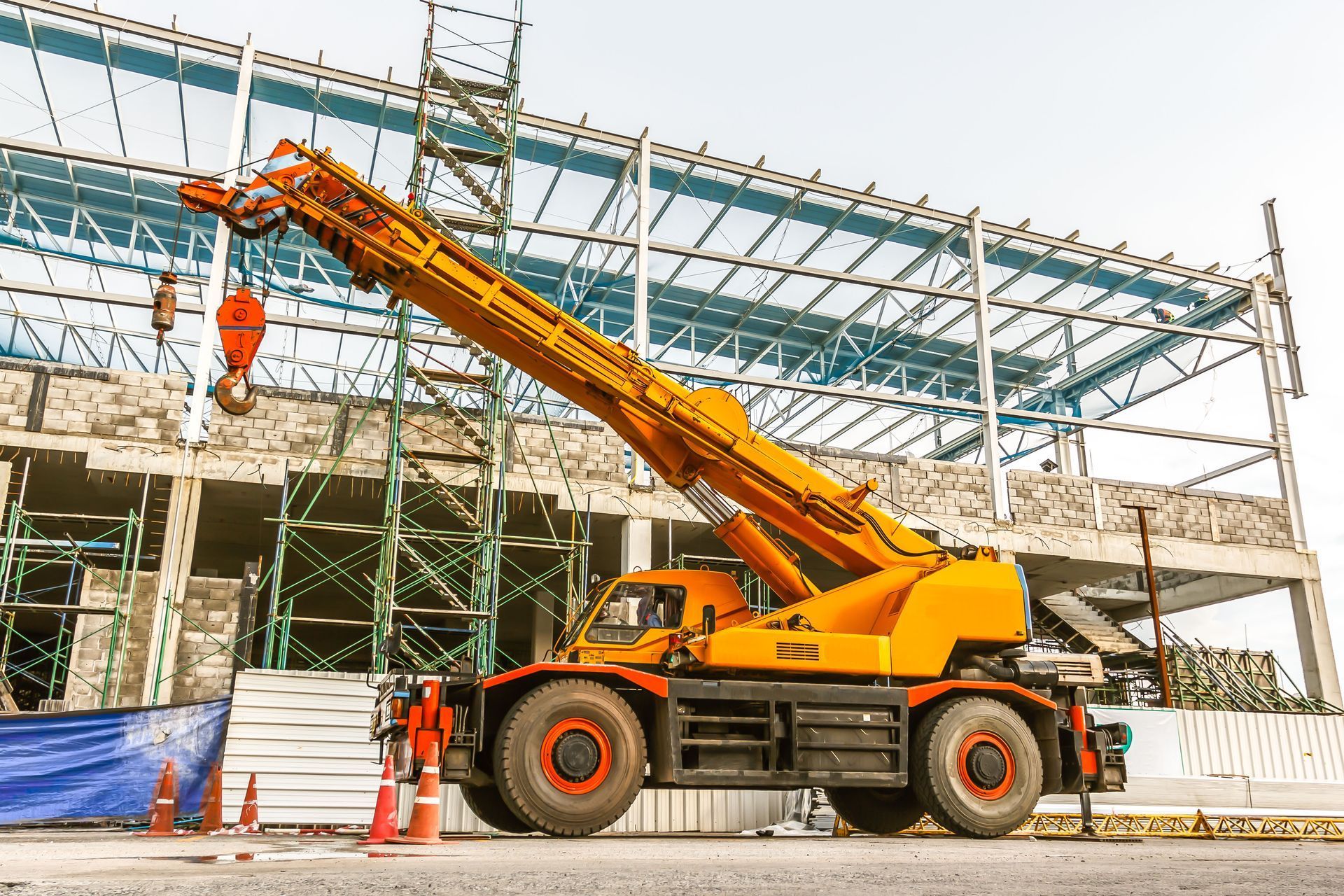
While most people associate towing with roadside emergencies, heavy towing serves a much broader range of industries. Construction companies rely on heavy towing to transport bulldozers, excavators, cranes, and other large equipment. Agricultural operations often need assistance moving tractors or heavy machinery across long distances. Even amusement parks and entertainment companies turn to heavy towing when transporting rides or staging equipment.


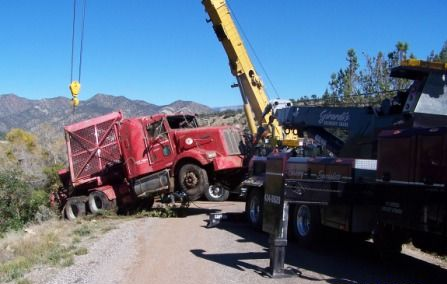
Additionally, heavy towing plays a crucial role in disaster response. Floods, storms, and industrial accidents frequently result in vehicles or equipment becoming stuck, submerged, or overturned. Heavy towing professionals are often called to assist with clean-up efforts, debris removal, and specialized recovery services in challenging environments. The diverse demand shows just how far-reaching the industry is, with heavy towing contributing to public safety, commercial productivity, and large-scale logistics every day.


Realizing the Unexpected Complexity of Long-Distance Towing Requirements

One of the most surprising facts about the heavy towing industry is the extensive distance involved in many transports. While local recoveries are common, heavy towing often requires moving large commercial vehicles across long stretches of highway. According to LookUpAPlate.com, the average tow in the US is between 10 miles and 40 miles. However, many heavy towing jobs significantly exceed this range because specialized equipment or destination repair facilities may be far from the incident site.


Long-distance towing requires additional planning, such as route selection to avoid low bridges, narrow roadways, and weight-restricted areas. Operators must also coordinate permits for oversized loads, especially when crossing state lines. These legal requirements add another layer of complexity to the process, making heavy towing both a logistical and technical challenge. Through proper planning and expert knowledge, operators ensure that even long-distance transports remain safe and efficient.


Examining the Rapid Response and Availability in Heavy Towing Services

Unlike many industries that operate on predictable schedules, heavy towing functions around the clock. Emergencies can happen at any time, and heavy towing companies often provide 24/7 service to address breakdowns, collisions, or roadway hazards. Rapid response is essential, particularly when large vehicles are blocking major routes or posing safety risks. This unpredictable work environment requires towing professionals to remain prepared at all times.


Many heavy towing businesses maintain rotating crews to ensure continuous readiness. Operators must be ready to assess situations quickly and mobilize the appropriate equipment within minutes. The ability to respond immediately is one of the qualities that sets heavy towing apart from traditional towing services. This level of commitment and availability allows companies to support transportation networks, local communities, and public safety agencies with exceptional reliability.


The business of heavy towing is far more complex and essential than most people realize. Behind every successful recovery is a dedicated team of professionals who combine technical expertise, advanced equipment, and a strong commitment to safety. The industry contributes to public safety, supports commercial transportation, and ensures that communities continue to operate smoothly. Whether responding to emergencies, transporting oversized loads, or assisting industries that rely on large machinery, heavy towing remains an indispensable service. For dependable support and expert solutions, contact Girardi's Towing, Heavy Haul & Crane.

heavy towing services
February 6, 2026
Consider the benefits of investing in heavy towing services for your vehicle. These relocation tips could help you get your vehicle out of a tough spot.

heavy towing service
January 14, 2026
Learn how to choose the right heavy towing service by evaluating experience, equipment, and response times to ensure safe and reliable roadside assistance.
crane services
January 5, 2026
Discover three major projects where professional crane services are essential, from high-rise buildings to infrastructure and industrial energy installations.
local crane services
November 28, 2025
Stop guessing on heavy lifts. Our guide reveals the vital questions you must ask local crane services for project safety.
heavy towing services
November 12, 2025
Heavy towing services are vital for the functioning of many sectors, providing essential assistance for a range of large vehicles and machinery.
heavy towing services
October 13, 2025
In this article, the challenges of operating heavy towing services are explored, along with the strategies companies use to overcome them.
heavy towing service
July 7, 2025
Looking to do some heavy towing but don't want to risk an accident? Check out these reasons you should leave the heavy towing service to the professionals!
heavy towing
June 11, 2025
Ever wondered about what goes into heavy towing? Read on or contact Girardi's Towing, Heavy Haul & Crane for great insights into the industry!
heavy towing services
January 23, 2025
Are you looking for heavy towing services? Here are some things to expect when working with them. Let's take a look for more information!
heavy towing services
March 8, 2024
Are you looking to get your heavy equipment moved? Read more to find the four main reasons for calling heavy towing services.