October 20, 2026
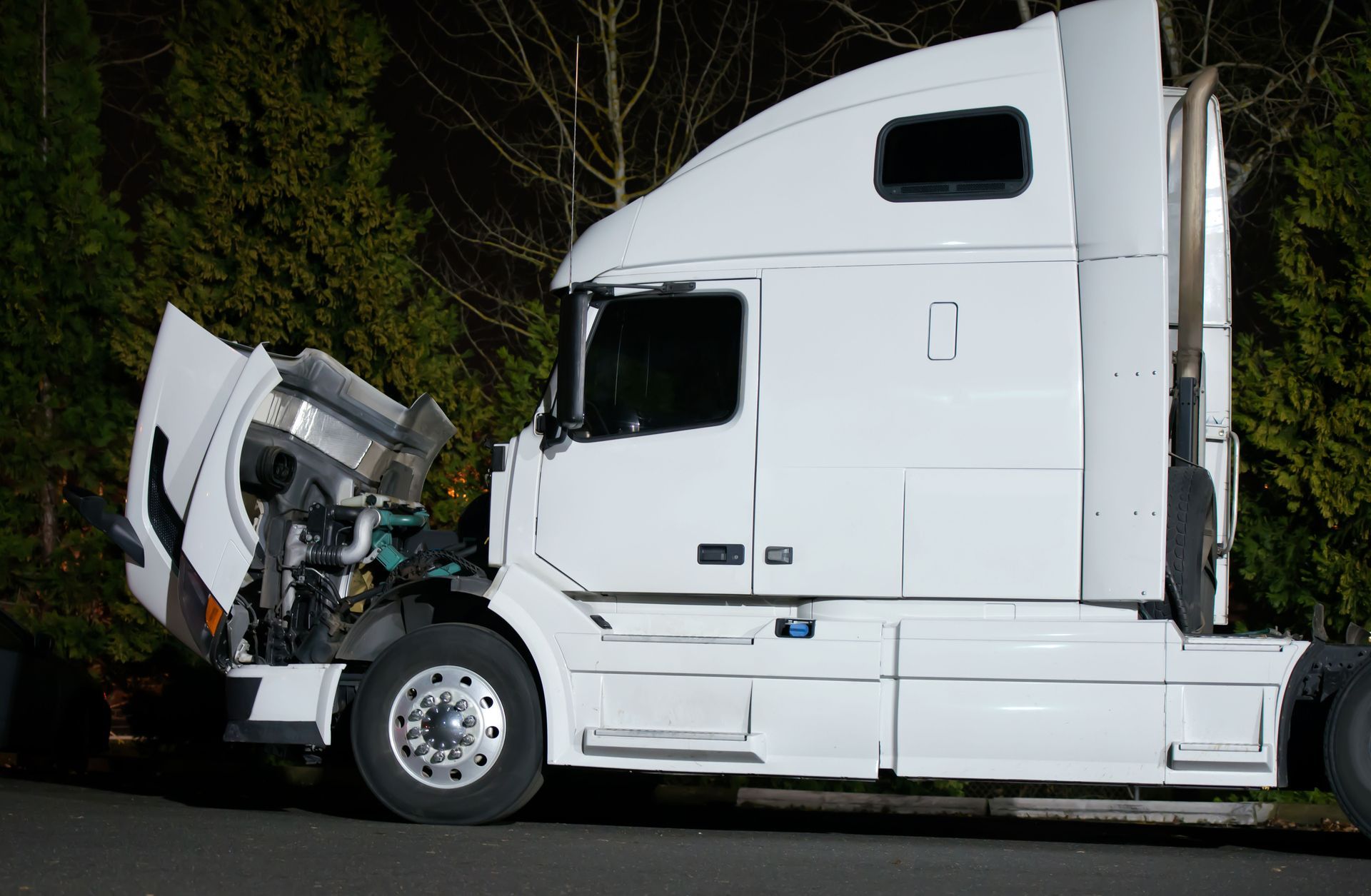
Commercial vehicle downtime occurs when a truck or other fleet vehicle cannot operate because of mechanical problems, accidents, or other unexpected circumstances. These interruptions can affect delivery schedules, customer relationships, and business profitability. Reliable heavy towing services help companies manage these situations by moving disabled vehicles safely and efficiently. Mechanical failures, collisions, tire problems, and adverse weather can disrupt commercial transportation. When a vehicle becomes inoperable, businesses may experience missed deliveries, additional labor expenses, and operational delays. Access to professional heavy towing helps fleet managers respond quickly and limit these disruptions. Downtime can be particularly expensive for transportation companies that depend on consistent vehicle availability. A single disabled truck may affect several deliveries, requiring managers to reorganize routes or coordinate replacement vehicles. Professional towing support helps reduce these setbacks by transporting disabled vehicles to appropriate repair facilities.
Reducing Delays Through Professional Towing
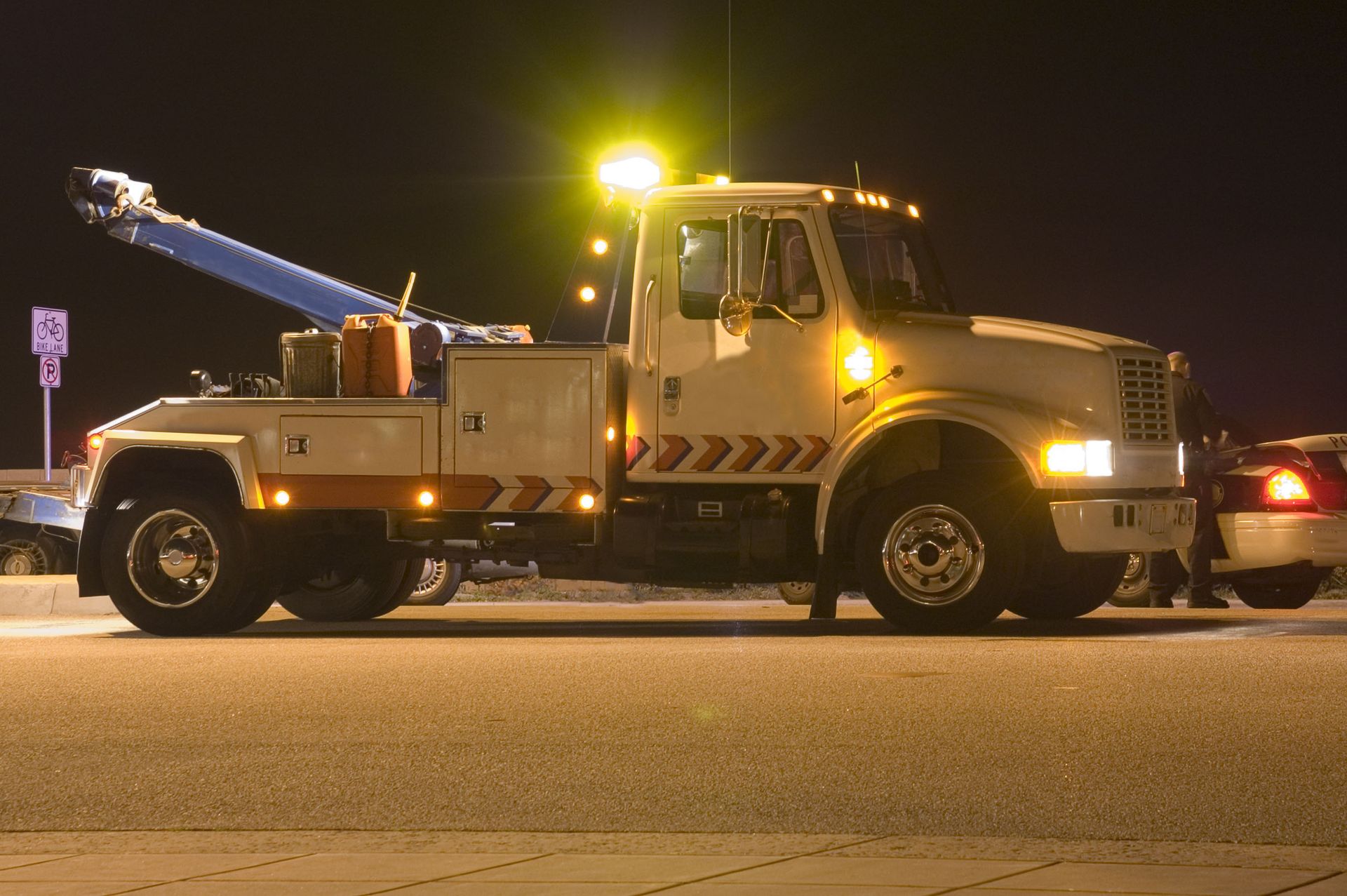
A prompt response is essential when commercial vehicles break down on busy highways, construction sites, or delivery routes. Professional towing companies coordinate dispatch services to reach stranded vehicles and determine the appropriate recovery approach. This response helps reduce roadside delays and allows businesses to resume normal operations sooner. Heavy towing requires specialized equipment and trained operators who understand the challenges of transporting large commercial vehicles. Depending on the situation, recovery may involve tractor-trailers, buses, construction equipment, or other oversized vehicles. Using appropriate equipment helps ensure disabled vehicles are recovered and transported safely.
Professional operators also help prevent additional problems during recovery. Improper handling can damage a disabled truck or create hazards for nearby motorists. Experienced heavy towing providers use suitable recovery procedures to protect vehicles, surrounding property, and people in the area. Availability outside standard business hours is another important consideration for commercial fleets. Trucks often operate overnight, on weekends, and during holidays, making around-the-clock assistance valuable. Reliable towing support helps businesses address unexpected breakdowns without waiting for normal operating hours.
Understanding the Financial Impact of Downtime
Commercial vehicle downtime creates immediate expenses and longer-term financial consequences. Businesses may need to pay for recovery services, repairs, replacement transportation, and additional labor. Lost productivity can also affect customer satisfaction and future business opportunities. Professional towing helps reduce the time between a breakdown and the next stage of recovery. Once a disabled vehicle reaches a repair facility, technicians can evaluate the problem and determine the necessary work. Although towing cannot eliminate every delay, efficient transportation helps prevent avoidable setbacks. The towing industry supports a substantial workforce dedicated to roadside assistance, recovery, and vehicle transportation.
According to IBIS World, the towing industry employs approximately 106,987 people nationwide. These professionals help meet the needs of motorists, commercial fleets, and businesses requiring dependable recovery services. Establishing relationships with qualified towing providers can make unexpected incidents easier to manage. Knowing whom to contact and which services are available helps reduce confusion during emergencies. These preparations also improve communication between drivers, dispatchers, repair facilities, and business owners.
Choosing Equipment for Commercial Vehicle Recovery
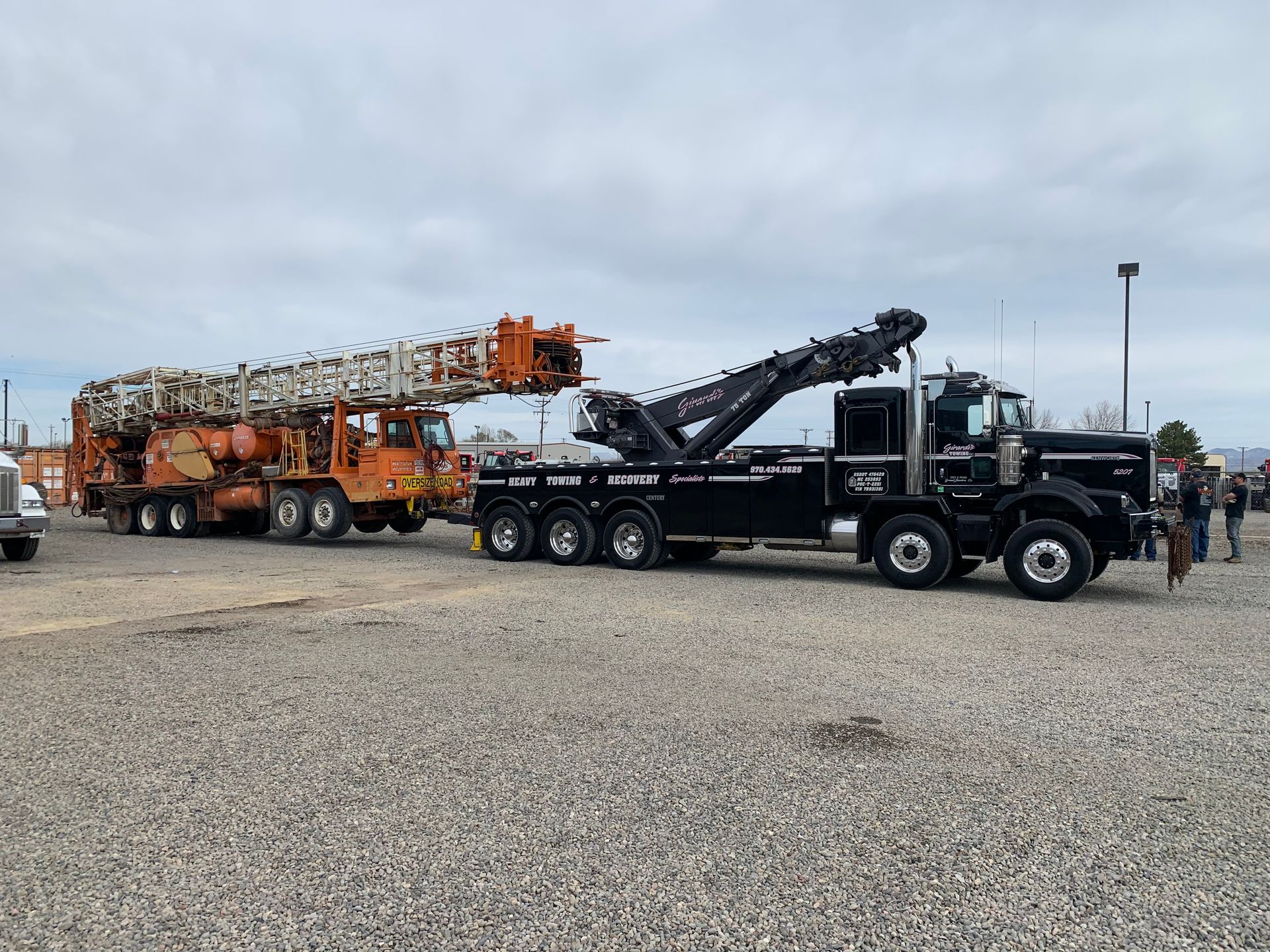
Different commercial vehicles require different recovery methods, making equipment selection an important part of professional towing. A delivery truck may need a different solution than a loaded tractor-trailer or heavy construction machinery. Experienced towing operators evaluate the vehicle's size, weight, condition, and location before determining the appropriate approach. Specialized tow trucks, recovery equipment, and securement systems allow trained professionals to handle demanding transportation situations. Suitable equipment helps maintain stability throughout recovery and reduces the risk of additional damage. This attention to detail is particularly important when transporting valuable commercial vehicles or heavy machinery. Heavy towing also supports businesses in construction, manufacturing, agriculture, and other industries that depend on large equipment. When machinery becomes disabled at a worksite, recovery services can transport it to a designated repair location. Efficient coordination helps reduce project interruptions and equipment-related delays. Businesses should consider whether a towing provider can handle their specific vehicles and operational requirements. Relevant experience, suitable equipment, service availability, and a reputation for reliability are important factors. Choosing a qualified provider helps ensure appropriate assistance is available when specialized recovery needs arise.
Improving Fleet Response and Coordination
Effective communication helps commercial businesses manage vehicle breakdowns efficiently. Drivers should report incidents promptly, while dispatchers need accurate information about vehicle locations and operating conditions. These details help towing operators determine which resources are necessary and coordinate a suitable response. Fleet management systems can support recovery coordination by tracking vehicle locations and recording service incidents. When a breakdown occurs, this information helps managers identify affected routes, assess delivery commitments, and determine whether another vehicle is needed. Combining operational data with professional towing supports better decision-making. Establishing procedures for roadside incidents can further reduce confusion. Businesses can identify designated contacts, maintain records of preferred service providers, and clarify how drivers should communicate with dispatch teams. These arrangements help personnel respond consistently when unexpected interruptions occur. A dependable heavy towing provider becomes an important resource within this process. Clear communication about arrival times, recovery requirements, and vehicle destinations helps fleet managers make informed decisions. Coordinated responses reduce uncertainty and help businesses return vehicles to service efficiently.
Supporting Safety During Roadside Emergencies
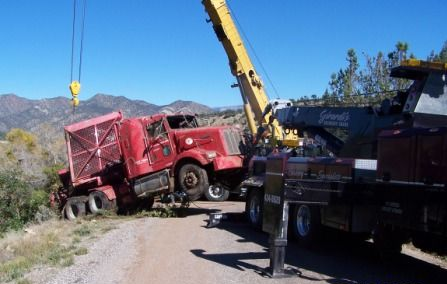
Commercial vehicle breakdowns can create serious safety concerns, particularly on highways, narrow roads, or busy construction sites. Disabled trucks may obstruct traffic or expose drivers and other motorists to dangerous conditions. Professional recovery services help manage these situations through appropriate equipment and established safety procedures. The recovery process may involve assessing traffic conditions, vehicle stability, surrounding obstacles, and potential hazards. Trained operators use this information to determine how to approach the vehicle and complete the recovery safely. Proper coordination is especially important when handling large trucks, heavy loads, or collision-damaged vehicles. Safety considerations also extend to transported cargo. Shifting loads, damaged trailers, and compromised vehicle components can complicate recovery operations. Experienced towing professionals evaluate these conditions and select suitable procedures to minimize additional risks. Businesses benefit from working with providers that prioritize training, equipment maintenance, and responsible operating practices. A safety-focused approach helps protect drivers, recovery personnel, other road users, and commercial assets while supporting more reliable fleet operations.
Building Long-Term Towing Partnerships
Developing a relationship with a reliable towing company helps businesses prepare for unexpected vehicle problems. Rather than searching for assistance during an emergency, fleet managers can identify suitable providers in advance. This preparation saves time and helps ensure the selected company understands the business's transportation needs. When evaluating providers, businesses should consider service coverage, response capabilities, equipment availability, and commercial vehicle experience. Clear pricing policies and communication practices are also important because recovery requirements vary between incidents. Reviewing these factors helps businesses choose a provider that aligns with their operational priorities. Some commercial operations may require heavy vehicle recovery, equipment transportation, crane services, or assistance with oversized loads. Working with a company that offers relevant capabilities can simplify coordination when complex situations arise. Regularly reviewing service arrangements also ensures they remain appropriate as fleets expand or operating areas change.
Maintaining Commercial Operations With Reliable Recovery
Minimizing downtime requires fleet planning, effective communication, and dependable emergency support. Routine maintenance can help identify developing mechanical problems, while organized dispatch procedures improve responses when breakdowns occur. Professional towing provides additional support when vehicles become disabled despite preventive measures. Businesses that transport freight, operate construction equipment, or manage commercial fleets must prepare for unexpected interruptions. Access to specialized recovery equipment and experienced operators helps ensure disabled vehicles can be transported to suitable destinations. This support reduces logistical complications and helps businesses meet their responsibilities to customers. Reliable heavy towing is particularly valuable when vehicle size, weight, or location makes recovery more complicated than a standard roadside tow. Choosing a qualified provider helps businesses address these challenges while protecting their vehicles and surrounding property. Girardi's Towing, Heavy Haul & Crane provides a point of contact for businesses seeking towing and heavy recovery assistance. Contact Girardi's Towing, Heavy Haul & Crane to discuss commercial vehicle transportation and recovery needs, learn about available services, and identify appropriate solutions for keeping operations moving.