October 8, 2026
Commercial fleets keep goods, equipment, and people moving across roads every day, but even the most carefully managed fleet can experience unexpected breakdowns or roadside emergencies. When a large commercial vehicle becomes disabled, getting it safely recovered requires specialized equipment and expertise. Heavy-duty towing helps fleet operators respond to these situations while limiting downtime, protecting vehicles, and maintaining safer roadways. Understanding the role these services play can help fleet managers better prepare for disruptions and keep their operations moving.
Understanding Heavy-Duty Towing
Defining the Service
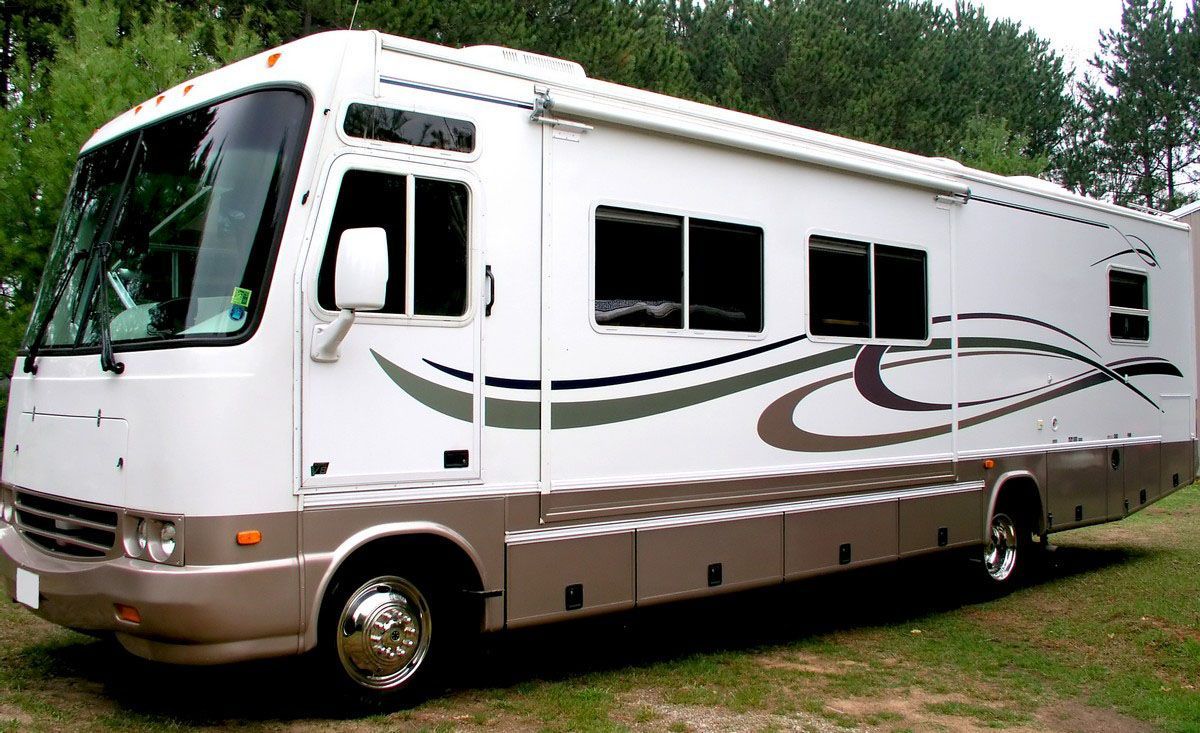
Commercial fleets depend on reliable transportation to move people, products, and equipment. When a large vehicle becomes disabled, recovering it requires more than the capabilities used for a passenger car. Heavy-duty towing involves specialized vehicles, equipment, and techniques for recovering and transporting semi-trucks, buses, RVs, trailers, and other large vehicles. For fleet operators, access to capable heavy towing services can help address unexpected problems while limiting disruptions to daily operations.
Supporting Large Vehicles
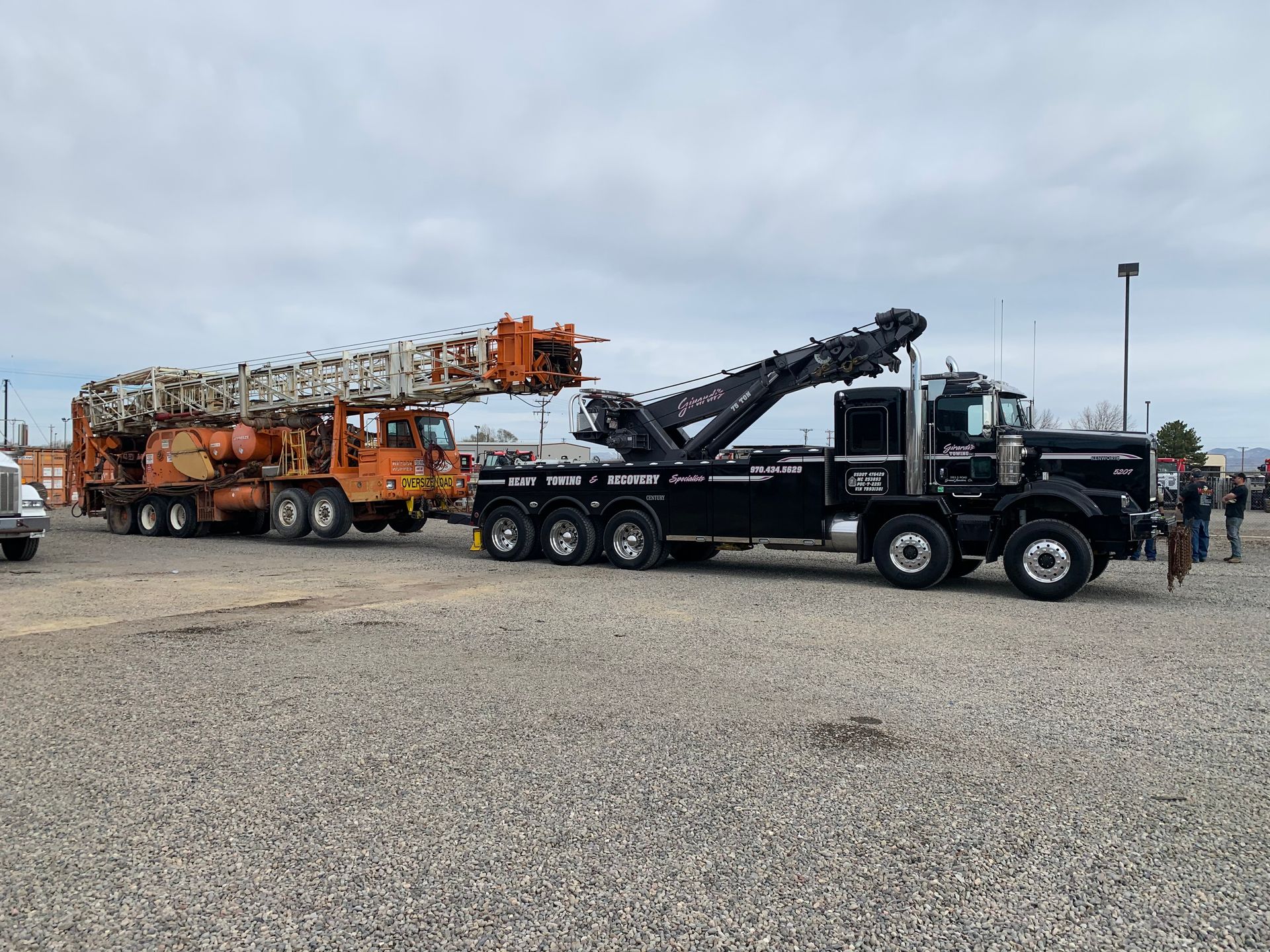
Different commercial vehicles present different recovery challenges. A tractor-trailer may require an underlift, winch, or rotator, while a bus or large recreational vehicle may need careful positioning to avoid additional damage. Weight, size, cargo, roadway conditions, and the vehicle's position all influence the recovery process. This is why experienced operators and appropriate equipment are important when a commercial vehicle needs to be moved safely. For many fleets, dependable heavy towing services are an important part of contingency planning.
Recognizing Industry Growth
The demand for specialized towing reflects the important role these services play in transportation. According to Optiexl Zentiq Labs, the global heavy duty towing market is estimated to be $3.5 billion and is expected to grow at a rate of 4.5% annually. Continued growth points to the need for capable towing providers as commercial transportation, freight movement, and large vehicle use continue to create demand for specialized recovery.
Supporting Commercial Fleet Operations
Reducing Vehicle Downtime
A disabled commercial vehicle can quickly interfere with delivery schedules, routes, and customer commitments. Heavy towing services provide a way to recover the vehicle and move it toward the appropriate destination for repair or further evaluation. A prompt response can help fleet managers address disruptions before they create larger scheduling problems.
Maintaining Roadway Safety
A large disabled vehicle can create significant hazards when it remains in an active travel lane, shoulder, work zone, or other difficult location. Professional towing operators can assess the situation and use appropriate recovery equipment to help move the vehicle safely. Proper recovery also helps reduce the risk of additional collisions or property damage.
Supporting Long-Distance Routes
Commercial fleets frequently travel far from their home bases, making dependable recovery resources important across different routes and regions. When a vehicle breaks down away from its normal service area, heavy towing services can provide essential assistance without requiring the fleet operator to arrange an improvised solution. Reliable towing support can help businesses manage unexpected problems wherever their vehicles travel. Heavy towing can be especially valuable when a breakdown occurs far from a fleet's normal service area.
Using Equipment and Technology
Deploying Specialized Tow Vehicles
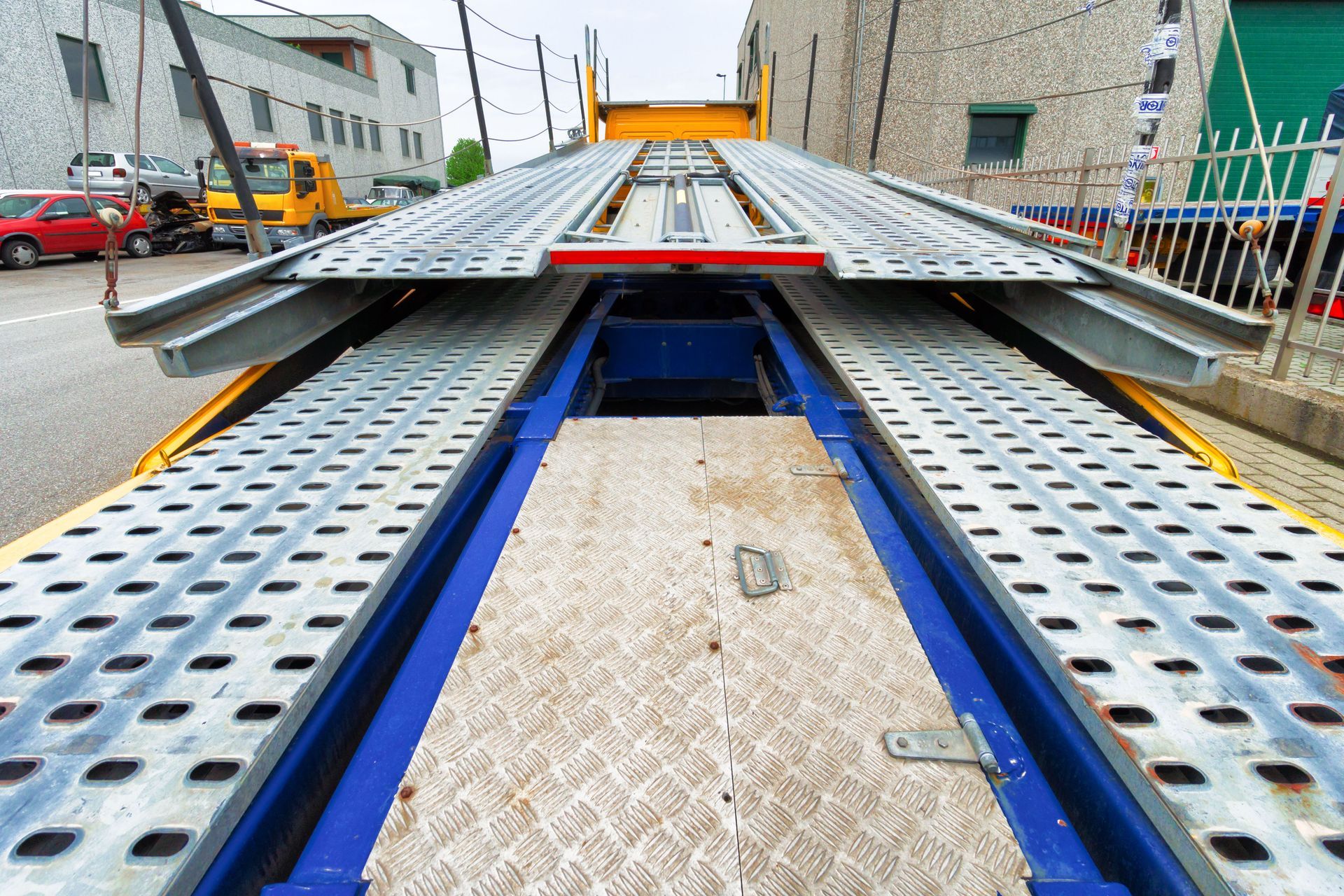
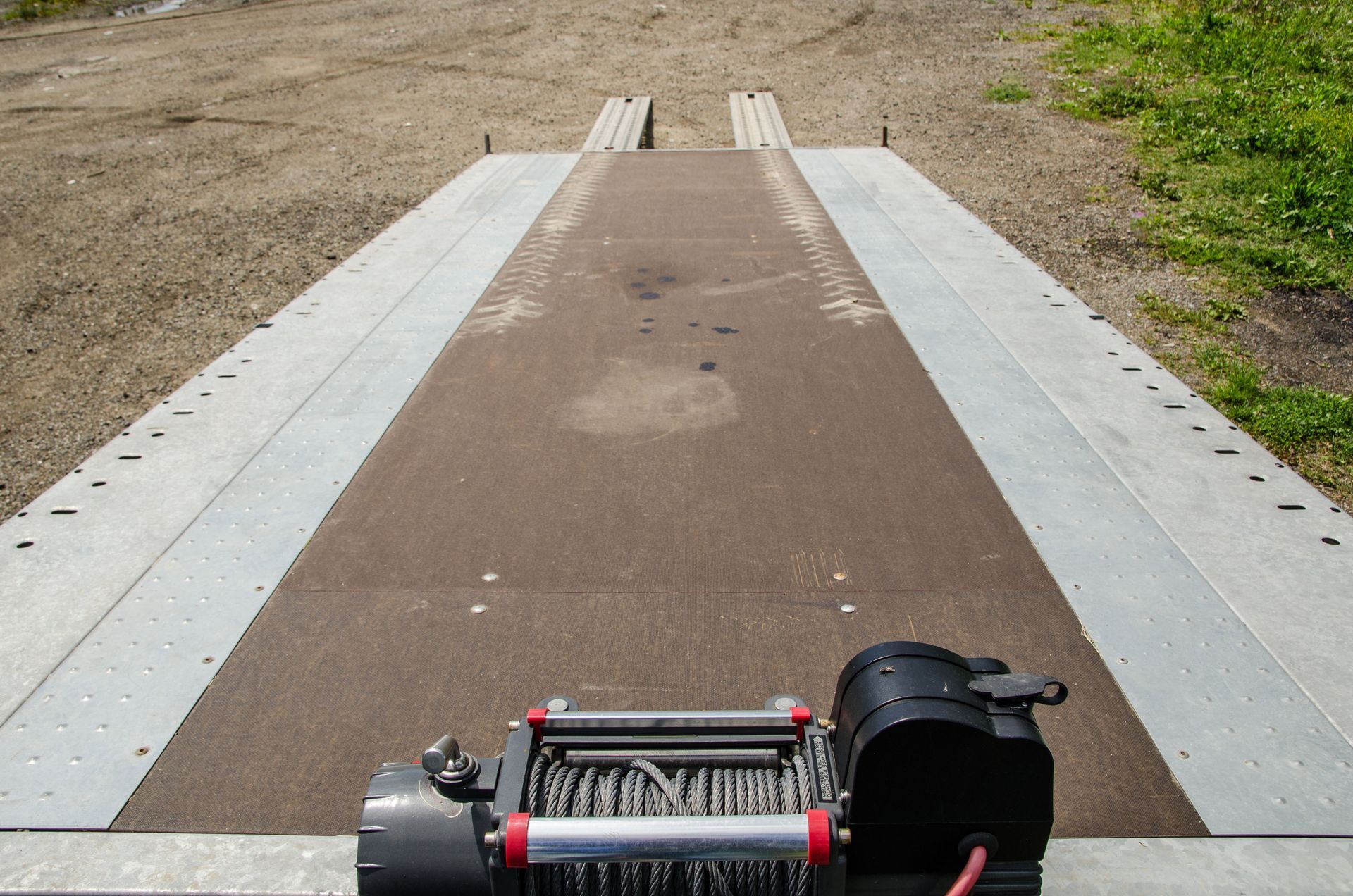
Heavy-duty recovery depends on equipment designed for substantial weights and demanding conditions. Reliable heavy towing services also depend on having the right equipment ready for the job. Specialized tow vehicles may use reinforced frames, powerful winches, hydraulic systems, booms, and underlifts to manage large commercial vehicles. Selecting the right equipment for each situation is essential for maintaining stability and protecting the vehicle during recovery.
Securing Loads and Vehicles
Rigging equipment is another important part of a professional recovery. Chains, straps, hooks, and other securing tools must be appropriate for the vehicle and circumstances. Properly securing a disabled vehicle helps limit shifting during transport and supports a controlled recovery process.
Improving Dispatch and Communication
Technology can improve how towing operators and fleet managers coordinate a recovery. GPS and telematics can provide location information, support route planning, and improve communication between the provider and the fleet. Better information can help towing operators prepare for the vehicles and conditions they will encounter, potentially improving response efficiency.
Maintaining Recovery Equipment
Regular inspection and maintenance are essential for towing equipment. Worn components, damaged rigging, or poorly maintained hydraulic systems can create unnecessary risks during a recovery. Keeping equipment in good working condition helps providers remain prepared for demanding jobs and supports consistent safety standards.
Selecting a Towing Partner
Evaluating Experience
Fleet managers should consider a provider's experience with commercial vehicles and complex recovery situations. A company familiar with large trucks and other heavy equipment is better positioned to understand the challenges involved in different recovery scenarios. Experience should be considered alongside equipment, availability, and overall service capabilities.
Reviewing Service Availability
Breakdowns do not always happen during convenient business hours. A fleet may need assistance early in the morning, late at night, or while traveling through an unfamiliar area. When comparing heavy towing services, fleet managers should consider response availability and geographic coverage. Reliable access can make it easier to address unexpected disruptions when they occur.
Checking Safety Practices
Safety should be a central consideration when selecting a towing provider. Fleet operators can ask about equipment maintenance, operator training, recovery procedures, and insurance coverage. A provider that prioritizes safe practices can help protect drivers, vehicles, cargo, towing personnel, and other road users.
Considering Business Needs
Every fleet has different vehicles, routes, schedules, and operational priorities. Establishing expectations before an emergency occurs can make it easier to coordinate recovery when a vehicle becomes disabled. Reviewing heavy towing services in advance can also help fleet managers make faster decisions under pressure.
Addressing Towing Industry Challenges
Navigating Regulatory Requirements
Heavy-duty towing operators must work within safety, transportation, and other applicable requirements. Rules can vary by location and situation, making awareness and compliance an important part of professional operations. Providers must also keep equipment and procedures aligned with changing industry expectations.
Managing Roadside Hazards
Recovering a large vehicle can be challenging when traffic, severe weather, uneven terrain, or limited space is involved. Operators need to evaluate the scene and choose an appropriate recovery method rather than relying on a one-size-fits-all approach. Careful planning is especially important when a disabled commercial vehicle is obstructing traffic.
Adapting to New Technology
Commercial vehicles continue to evolve, and towing providers must adapt as vehicle systems and equipment change. New technologies can improve diagnostics, communication, and recovery planning, but they also require ongoing training and investment. Providers that keep pace with these developments can remain prepared for the changing needs of commercial fleets.
Preparing for the Future
Advancing Recovery Technology
The future of heavy-duty towing will likely include continued advances in equipment, vehicle diagnostics, GPS, and fleet connectivity. As commercial fleets become increasingly technology-driven, towing providers will need to keep pace.
Expanding Sustainable Practices
Environmental considerations are also becoming more important throughout transportation. Towing providers may increasingly explore alternative-fuel vehicles, efficient routing, reduced idling, and responsible handling of materials from roadside incidents.
Keeping Commercial Fleets Moving
Commercial transportation depends on more than the vehicles themselves. It also depends on the recovery resources available when those vehicles encounter problems. Heavy towing services help fleet operators respond to disabled vehicles, challenging roadside conditions, and unexpected disruptions while supporting safety and operational continuity. As the heavy-duty towing market continues to grow, specialized recovery will remain an important part of keeping commercial transportation moving. Access to heavy towing can help businesses respond when large vehicles cannot continue under their own power.
For commercial fleet operators seeking dependable support when large vehicles need to be recovered or transported, Girardi's Towing, Heavy Haul & Crane can be a resource to consider. Having a professional towing partner available before an emergency occurs can help businesses respond more confidently when unexpected problems arise.