October 12, 2026
When commercial vehicles experience breakdowns or highway accidents, finding a reliable heavy towing service quickly is essential. Heavy-duty recovery requires specialized equipment, trained operators, and careful planning because commercial trucks can weigh far more than passenger vehicles. Knowing what information to provide and how to evaluate a provider can reduce delays, protect drivers, and help get the vehicle to a repair facility safely.
Assess the Emergency Scene
Evaluate Vehicle Damage
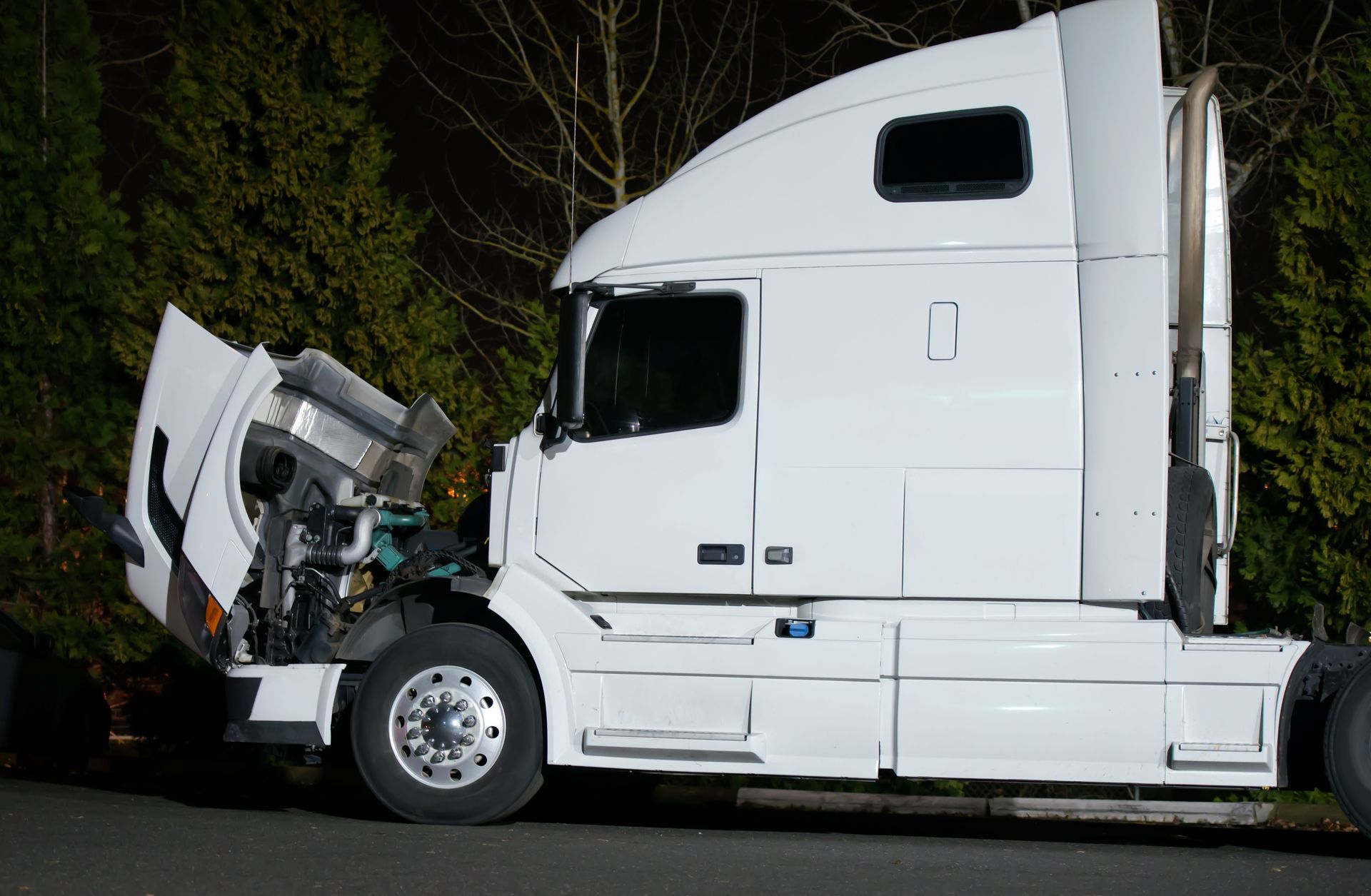
Start by assessing the condition of the disabled vehicle without putting yourself in danger. Look for visible frame damage, fluid leaks, broken axles, damaged tires, or other issues that could affect how the truck is moved. Determine whether the vehicle can roll safely or whether specialized recovery equipment will be necessary. Sharing photos and detailed observations with dispatchers can help them select the appropriate equipment.
Identify Immediate Hazards
Examine the surrounding area for hazards that could complicate recovery. Fast-moving traffic, soft shoulders, steep embankments, poor visibility, severe weather, and icy roads can create additional risks. Activate hazard lights and use reflective warning devices when it is safe to do so. Keeping people away from dangerous areas gives professional recovery crews a safer environment when they arrive.
Determine the Response Urgency
The location and severity of the incident should determine how quickly assistance is needed. A disabled truck blocking active interstate lanes requires an immediate response because it can create additional collisions and traffic congestion. A vehicle safely positioned in a parking area or on a secure shoulder may allow more flexibility. Communicate the situation clearly so dispatchers can prioritize the response appropriately.
Check for Injuries
Always check drivers and passengers for injuries before focusing on vehicle recovery. Call emergency services immediately when medical attention is needed. Personal safety takes priority over protecting equipment or arranging transportation. Once medical concerns are addressed, coordinate with authorities and the towing provider to determine the safest way to clear the scene.
Secure the Perimeter
If conditions allow, establish a visible safety perimeter around the disabled vehicle. Reflective triangles, cones, warning signs, and hazard lights can help alert approaching motorists. Drivers and other personnel should remain in protected locations whenever possible. These precautions can make the scene safer while waiting for heavy towing specialists to arrive.
Identify Recovery Requirements
Confirm Vehicle Specifications
The vehicle's class, dimensions, cargo, and total weight are important when selecting recovery equipment. According to Time, federal law limits the largest trucks to a maximum weight of 80,000 pounds on the interstate highway system. Providing accurate weight and dimension information allows dispatchers to determine which equipment and personnel are appropriate for the job.
Review Route Conditions
Recovery does not necessarily end when the vehicle is loaded. Low bridges, narrow streets, weight-restricted bridges, steep grades, and tight turns can affect the route to a repair facility. Discussing these conditions with the provider ahead of time can help operators plan an appropriate route and avoid unnecessary delays or complications.
Select Appropriate Equipment
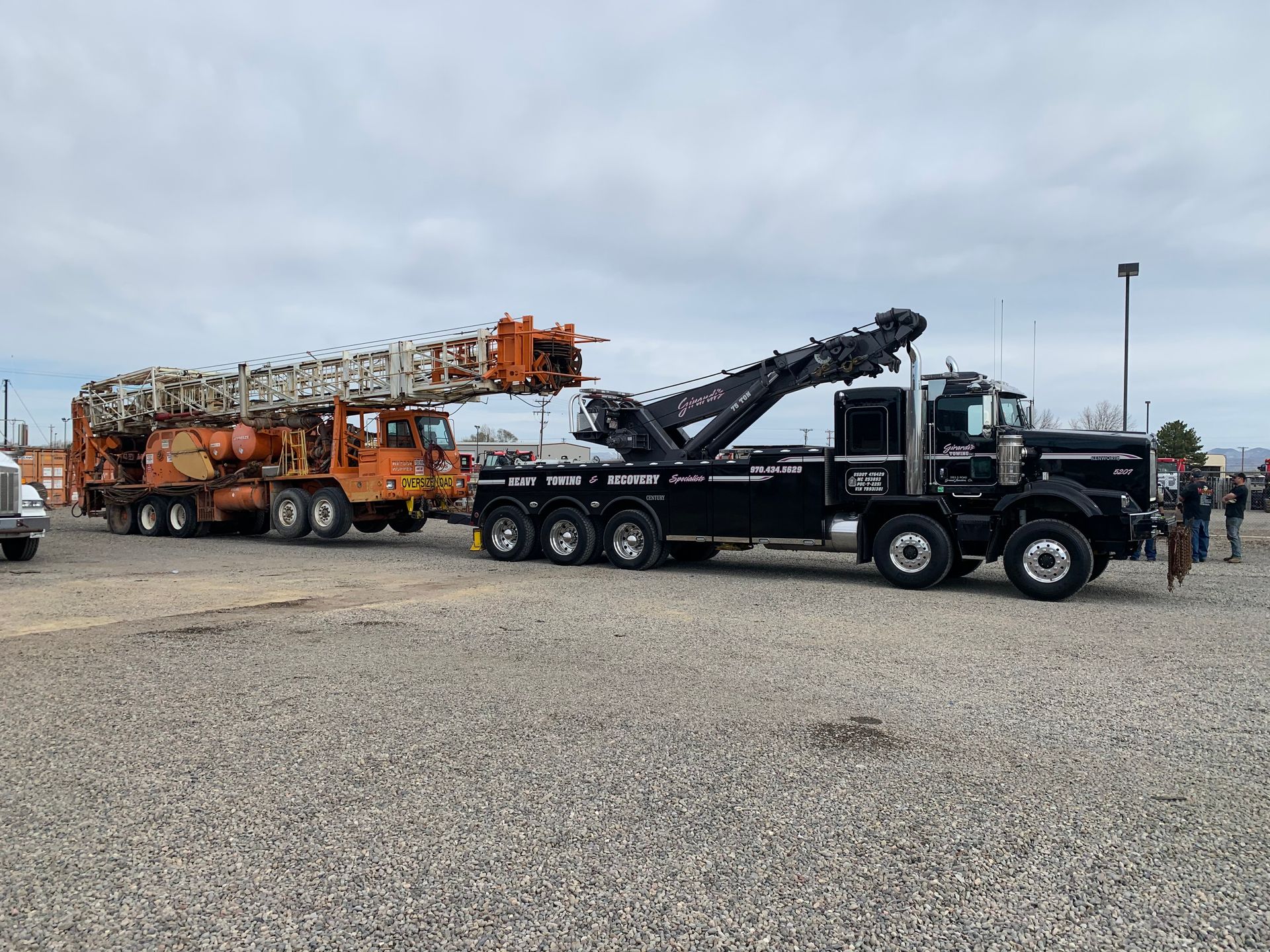
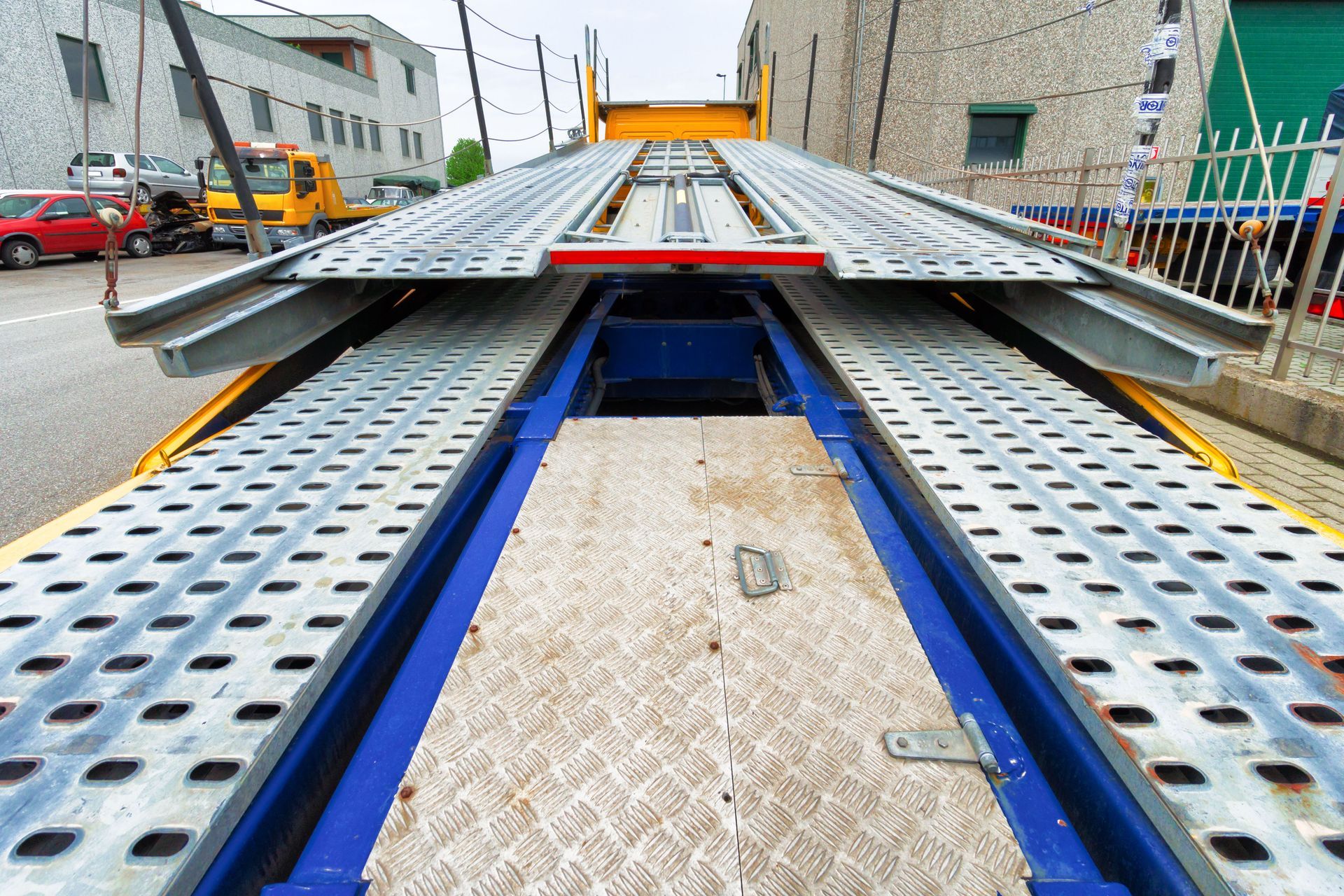
Some commercial recovery situations require equipment that is not used for standard towing. Depending on the vehicle and circumstances, operators may need heavy-duty winches, specialized trailers, rotators, or other recovery machinery. Providing detailed information about the vehicle and its position helps the provider arrive with the equipment needed to complete the job efficiently.
Verify Permit Requirements
Oversized or overweight vehicles may be subject to state and local transportation requirements. Depending on the circumstances, permits, escorts, or specific travel restrictions may apply. Confirm that the provider understands the applicable regulations before transport begins. Proper planning helps prevent unnecessary fines, delays, and route complications.
Evaluate Provider Credentials
Review Customer Feedback
Online reviews can provide useful information about response times, communication, equipment, pricing, and professionalism. Look for consistent feedback across multiple platforms rather than relying on a single review. Positive experiences from commercial customers can provide additional confidence that a provider understands the demands of large-vehicle recovery.
Check Local Availability
Local heavy towing companies may be able to reach an emergency scene faster because they understand the surrounding roads, traffic patterns, and service area. Confirm that the company regularly handles commercial vehicles and has equipment appropriate for the size and weight of your fleet.
Inspect Company Information
A company's website can provide valuable information about its equipment, service area, experience, and capabilities. Look for clear descriptions of the recovery services offered and the types of vehicles the company handles. This information can help determine whether a provider is equipped for your specific situation.
Confirm Training and Certifications
Professional training and industry credentials can indicate that operators understand modern recovery techniques and safety procedures in heavy towing. When evaluating a provider, ask about relevant certifications, operator training, and experience with commercial vehicles. Qualified personnel are better prepared to manage complicated recovery situations.
Communicate With Dispatchers
Gather Essential Information
Have the vehicle's location, make, and model, cargo information, condition, and surrounding hazards ready before calling. GPS coordinates or a precise location description can help the dispatcher send a crew without unnecessary delays. Clear information also helps determine what type of equipment should be assigned.
Ask About Response Times
Request an estimated arrival time and ask whether the provider offers live tracking. Traffic, weather, distance, and the complexity of the recovery can all affect response times. Knowing when assistance is expected allows fleet managers and drivers to coordinate other transportation or traffic-control needs.
Clarify Pricing Details
Ask for a clear explanation of the expected costs before authorizing work. Depending on the provider, charges may include hookup fees, mileage, winching, specialized equipment, storage, or hourly labor. Confirm whether additional fees could apply because of after-hours service, difficult recovery conditions, or unusual transportation requirements.
Review Liability Terms
Discuss how the provider handles responsibility for the vehicle and its cargo during recovery and transport. Understanding insurance limitations and exclusions can help prevent disputes later. Fleet managers should make sure the provider's coverage aligns with their own insurance requirements.
Prepare for Future Emergencies
Create Standard Procedures
Develop a written emergency procedure that tells drivers what to do after a breakdown or collision. Include roadside safety steps, emergency contacts, documentation requirements, and instructions for communicating with dispatch. A consistent process helps drivers respond calmly when an unexpected incident occurs.
Maintain Provider Contact Lists
Keep contact information for vetted heavy towing and recovery companies in fleet vehicles and digital dispatch systems. Pre-screening providers based on service areas, response times, equipment, and commercial experience can save valuable time during an emergency.
Maintain Commercial Vehicles
Preventive maintenance can reduce the likelihood of unexpected breakdowns and costly recovery services. Follow manufacturer maintenance schedules for brakes, tires, engines, fluids, and other critical systems. Maintaining accurate service records can also help fleet managers identify recurring issues before they become roadside emergencies.
Train Fleet Drivers
Regular training helps drivers understand how to respond safely when a vehicle becomes disabled. Training should cover roadside safety, emergency communication, hazard awareness, and procedures for contacting dispatchers. Drivers who understand the process are better prepared to protect themselves and other motorists.
Choose the Right Recovery Partner
Prioritize Preparedness and Experience
Knowing how to select a reliable heavy towing provider can reduce stress, downtime, and operational disruption during a roadside emergency. Assess the scene carefully, provide accurate vehicle information, confirm equipment capabilities, and communicate clearly with the provider. Taking these steps before and during an emergency can make the recovery process safer and more efficient.
When a commercial vehicle needs professional recovery, Girardi's Towing, Heavy Haul & Crane can provide experienced assistance for demanding towing and recovery situations. Contact the team to discuss your fleet's needs and get dependable support when your vehicles need to get back on the road.