August 27, 2026
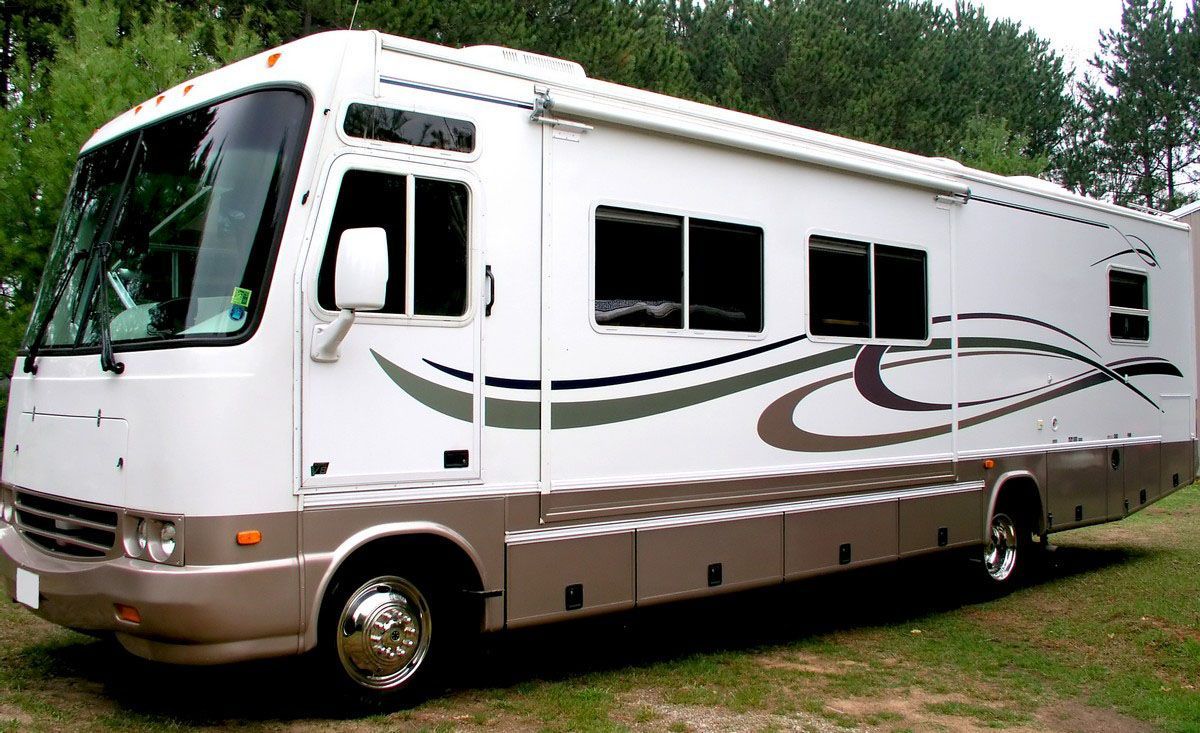
Traversing open highways and exploring scenic landscapes represents the quintessential American getaway for millions of travel enthusiasts. The freedom to haul a comfortable living space behind a passenger vehicle transforms conventional road trips into memorable outdoor adventures. Rather than relying on rigid hotel reservations, strict flight schedules, or restrictive travel itineraries, campers embrace the flexibility of taking their personal accommodations wherever the road leads. This distinct lifestyle relies heavily on reliable vehicle transport, allowing travelers to navigate remote national parks, coastal retreats, and mountain passes with complete confidence. According to the RVIA, 74% of RV owners reside in childless households and 42% have reached retirement. As these dedicated adventurers embark on long-distance journeys across the country, mechanical dependability and proper equipment management become paramount for smooth travel. Understanding how RV towing supports seamless vacation experiences enables outdoor enthusiasts to maximize comfort, preserve mechanical performance, and enjoy stress-free excursions across diverse terrains. Embracing this mobile lifestyle opens up endless opportunities for scenic exploration. Road trips become vastly more enjoyable when driver confidence and vehicle readiness align perfectly.
Unlock Unmatched Travel Flexibility and Personal Freedom
Embarking on highway adventures with a hauled camper offers unprecedented control over vacation itineraries and daily travel schedules. Travelers can pivot plans instantly, extending stays at breathtaking campsites or departing early when weather conditions change unexpectedly. This remarkable mobility eliminates the logistics associated with traditional vacations, such as booking hotel rooms, renting passenger vehicles, or coordinating public transportation. Having a mobile sanctuary attached behind your truck ensures that comfortable sleeping quarters, fully equipped kitchens, and private amenities remain accessible wherever your vehicle parks. Furthermore, RV towing allows outdoor enthusiasts to bring along specialized recreation gear, including kayaks, bicycles, fishing tackle, and outdoor camping furniture. Carrying all essential supplies directly within your mobile unit creates a seamless transition between highway transit and outdoor relaxation. By mastering proper vehicle setup and hitching procedures, road trippers unlock total independence, turning every highway stretch into an inviting pathway toward new discovery. This level of autonomy fosters a profound connection with nature, giving families and solo explorers the ability to wander across scenic regions without feeling rushed or constrained by rigid hospitality schedules. Having complete mastery over your travel schedule allows spontaneous detour decisions whenever an interesting landmark or scenic overlook appears along the highway.
Optimize Vehicle Setup and Weight Distribution Parameters
Ensuring safe highway transit requires careful attention to mechanical preparation, weight ratings, and tongue weight configuration before departing home. Meticulously balancing cargo weight throughout the trailer prevents sway, minimizes brake strain, and enhances overall vehicle handling across winding roads. Overloading storage bays or concentrating heavy equipment near the rear axle creates aerodynamic instability, making highway travel challenging during high winds or passing commercial trucks. Seasoned travelers utilize weight distribution hitches with integrated sway control systems to equalize load forces across both vehicle axles. Additionally, inspecting tire inflation pressures, brake controller settings, and safety chain attachments before starting every leg of the journey protects mechanical components from premature wear. Proper RV towing setup guarantees smooth power delivery, stable cornering, and responsive stopping capabilities under various road conditions. Investing time in routine equipment checks builds operational confidence, allowing drivers to focus on the surrounding scenery rather than worrying about vehicle instability or unexpected equipment strain. Taking small precautions prior to departure prevents major handling difficulties and preserves stability across varying highway surfaces.
Enhance Fuel Efficiency and Transmission Performance Standards
Hauling substantial weight across long distances demands thoughtful driving habits and proactive powertrain management to maintain optimal vehicle health. Accelerating smoothly from complete stops, anticipating traffic flow, and maintaining steady cruising speeds significantly reduces engine stress and optimizes fuel consumption. Steep grades and elevated mountain passes present unique mechanical challenges, requiring lower gear selection to prevent engine overheating and transmission fluid degradation. Utilizing specialized tow mode settings alters shift points, providing improved engine braking during steep downhill descents and protecting friction brake components from thermal fade. Regular maintenance, including fluid changes, cooling system flushes, and brake pad inspections, ensures that primary haul vehicles operate at peak efficiency. Understanding the mechanical demands of RV towing empowers drivers to navigate challenging terrain effortlessly, extending vehicle operational life and reducing potential mechanical issues during extended cross-country journeys. Consistent powertrain care transforms demanding mountain drives into smooth, enjoyable passages. Maintaining steady momentum on highway grades protects major powertrain assemblies while preserving overall fuel range during long transit days.
Navigate Remote Destinations and Highway Networks Safely
Reaching secluded wilderness areas, high-altitude campgrounds, and coastal sanctuaries often involves navigating narrow rural routes, tight mountain curves, and busy highway corridors. Operating an extended combination vehicle requires heightened spatial awareness, increased follow distances, and deliberate lane positioning. Drivers must account for wider turning radiuses at intersections and allow extra clearance when passing roadside obstacles or entering service stations. Utilizing specialized navigation systems tailored for large vehicles helps avoid low bridges, restrictive weight limitations, and steep grade hazards along rural stretches. Additionally, monitoring rearview mirrors constantly and utilizing blind spot monitoring technology enhances situational awareness during lane changes. Reliable RV towing practices enable travelers to venture far beyond standard tourist hubs, unlocking pristine wilderness locations while maintaining complete physical safety across every mile of travel. Navigating these routes successfully rewards adventurers with unforgettable vistas and peaceful campsites far away from crowded city centers. Careful planning combined with calm driving habits transforms complex highway interchanges and narrow country lanes into easily manageable travel segments.
Protect Vacation Investments Through Preventative Maintenance Checks
Maintaining mobile living units and primary transit vehicles through routine inspection routines safeguards significant financial investments while ensuring continuous vacation enjoyment. Environmental exposure, road vibrations, and long-term storage can affect suspension systems, wheel bearings, lighting connections, and hitch assemblies over time. Performing pre-trip inspections allows travelers to identify minor mechanical issues before they escalate into costly highway breakdowns or trip delays. Checking brake light operation, breakaway cable security, and wheel lug torque specifications guarantees that structural connections remain firm during transit. Furthermore, lubricating hitch balls, inspecting safety chains, and testing trailer electric brakes ensures seamless operational coordination between transit vehicles and towed units.
Manage Unexpected Highway Emergencies and Breakdown Situations
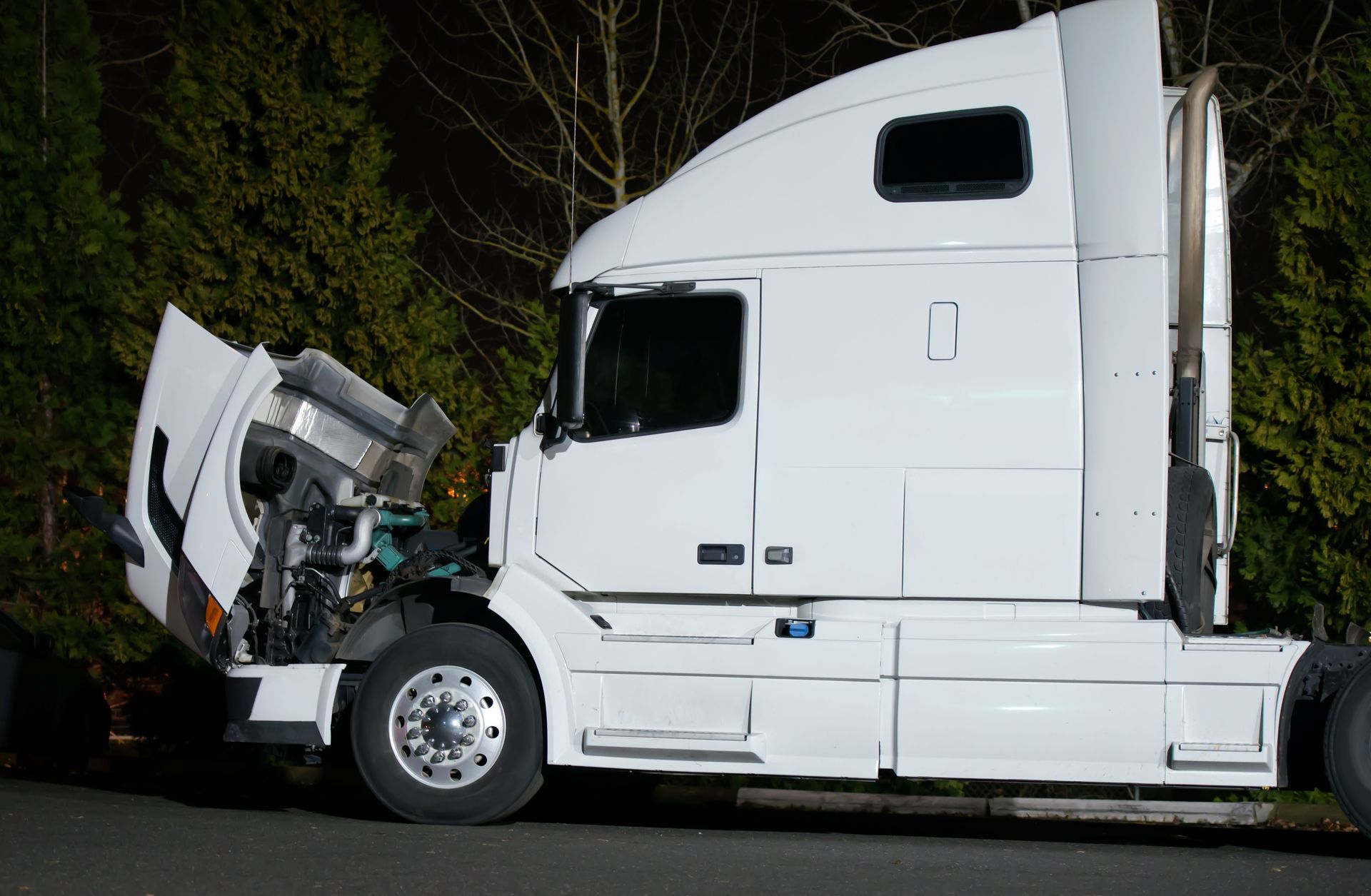
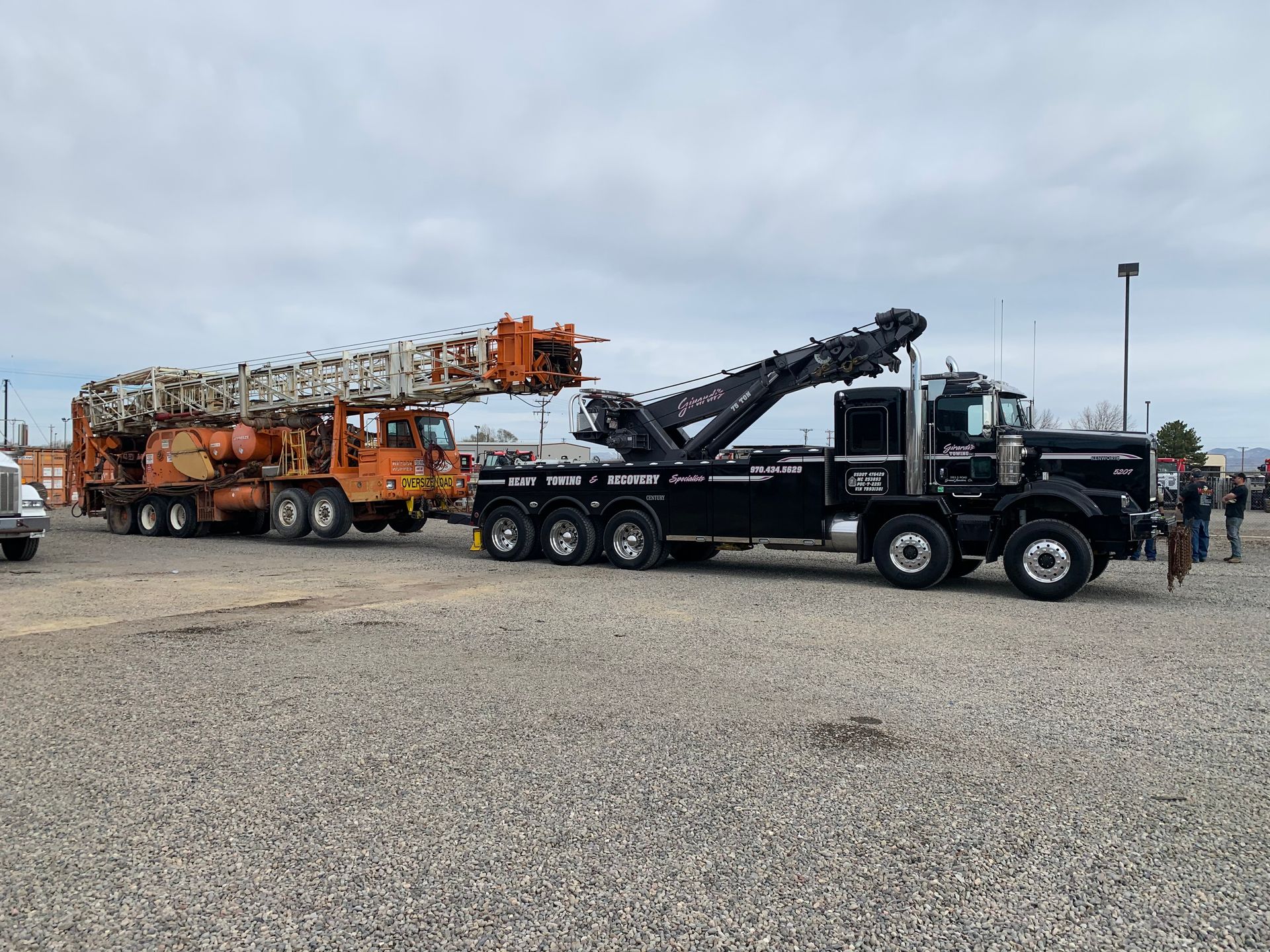
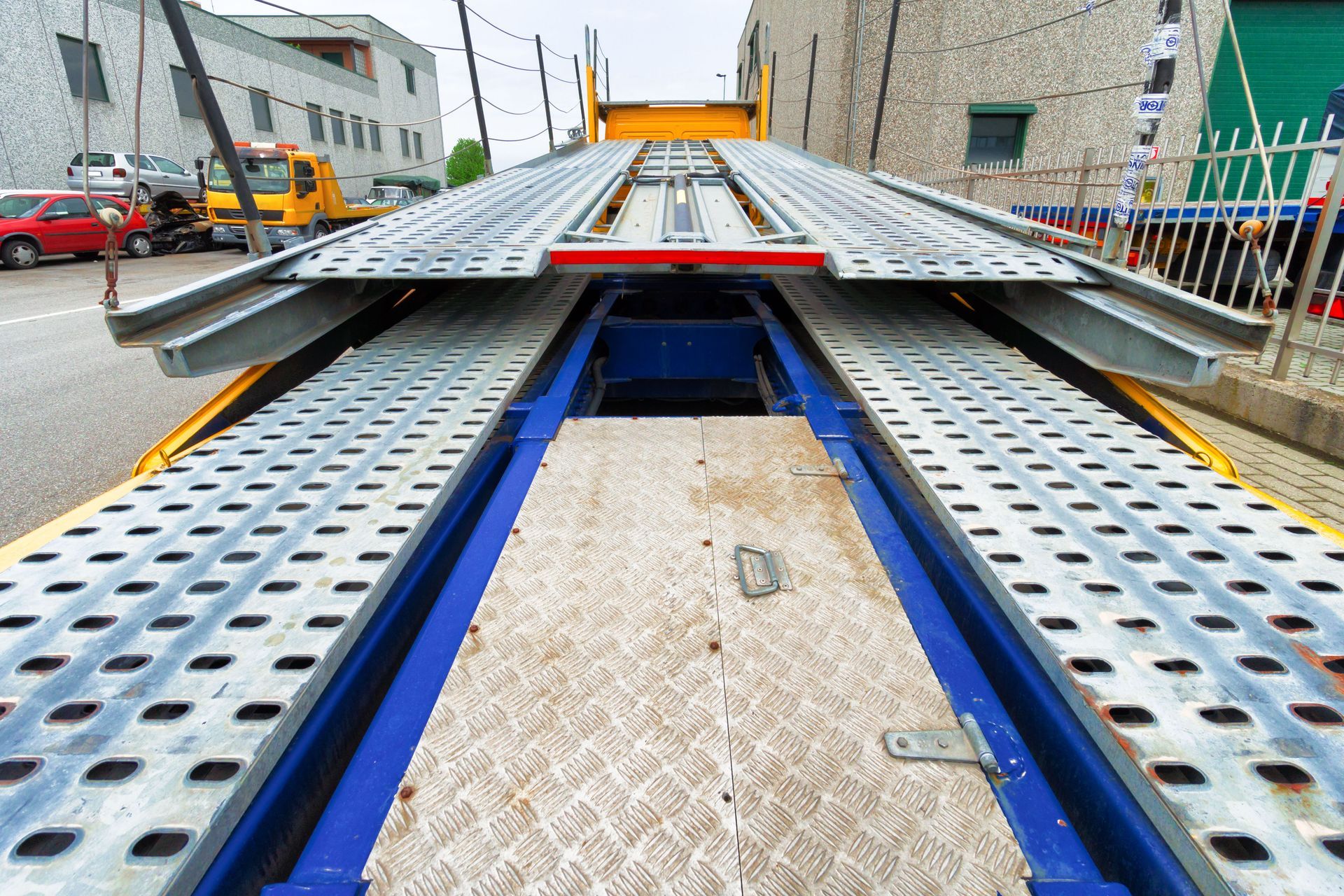
Despite rigorous preparation and careful driving, unexpected mechanical breakdowns, flat tires, or engine malfunctions can occasionally disrupt travel itineraries. Experiencing roadside failure while hauling heavy recreational units presents unique logistical challenges that standard passenger vehicle service providers cannot accommodate. Swiftly securing specialized roadside assistance specialized in heavy transport equipment prevents minor setbacks from turning into overwhelming travel disruptions. Knowing how to safely maneuver onto highway shoulders, deploy reflective warning markers, and coordinate emergency recovery protects passengers and surrounding traffic. Professional roadside operators bring specialized flatbed equipment, heavy wheel-lift machinery, and technical expertise required to handle large combination vehicles safely. Developing a comprehensive contingency plan for RV towing ensures that unexpected mechanical events are handled with speed, professionalism, and minimal impact on vacation schedules. Preparedness transforms potential stressful delays into manageable roadside stops.
Embarking on highway adventures with a mobile living unit offers unmatched freedom, flexibility, and comfort for travelers seeking memorable outdoor experiences. Achieving seamless road trips relies on proper equipment configuration, diligent mechanical maintenance, attentive driving techniques, and trusted emergency support when challenges arise. Taking time to prepare your vehicle and equipment ensures that every highway mile brings peace of mind and memorable moments in nature. When unexpected roadside disruptions occur during your journey, our dedicated team at Girardi's Towing, Heavy Haul & Crane stands ready to provide prompt, professional recovery assistance to keep your travel plans moving forward safely. Contact us today to learn more.