August 20, 2026
When a massive commercial vehicle or oversized rig breaks down on the highway, standard roadside assistance simply cannot handle the load. Everyday tow trucks are designed for typical passenger automobiles, leaving commercial drivers stranded when colossal machinery, loaded tractor-trailers, or heavy buses suffer severe mechanical failures. In these high-stakes scenarios, calling a professional heavy towing service is the only way to safely recover the vehicle, clear the roadway, and protect surrounding traffic.
Understanding the Threshold for Commercial Recovery Equipment
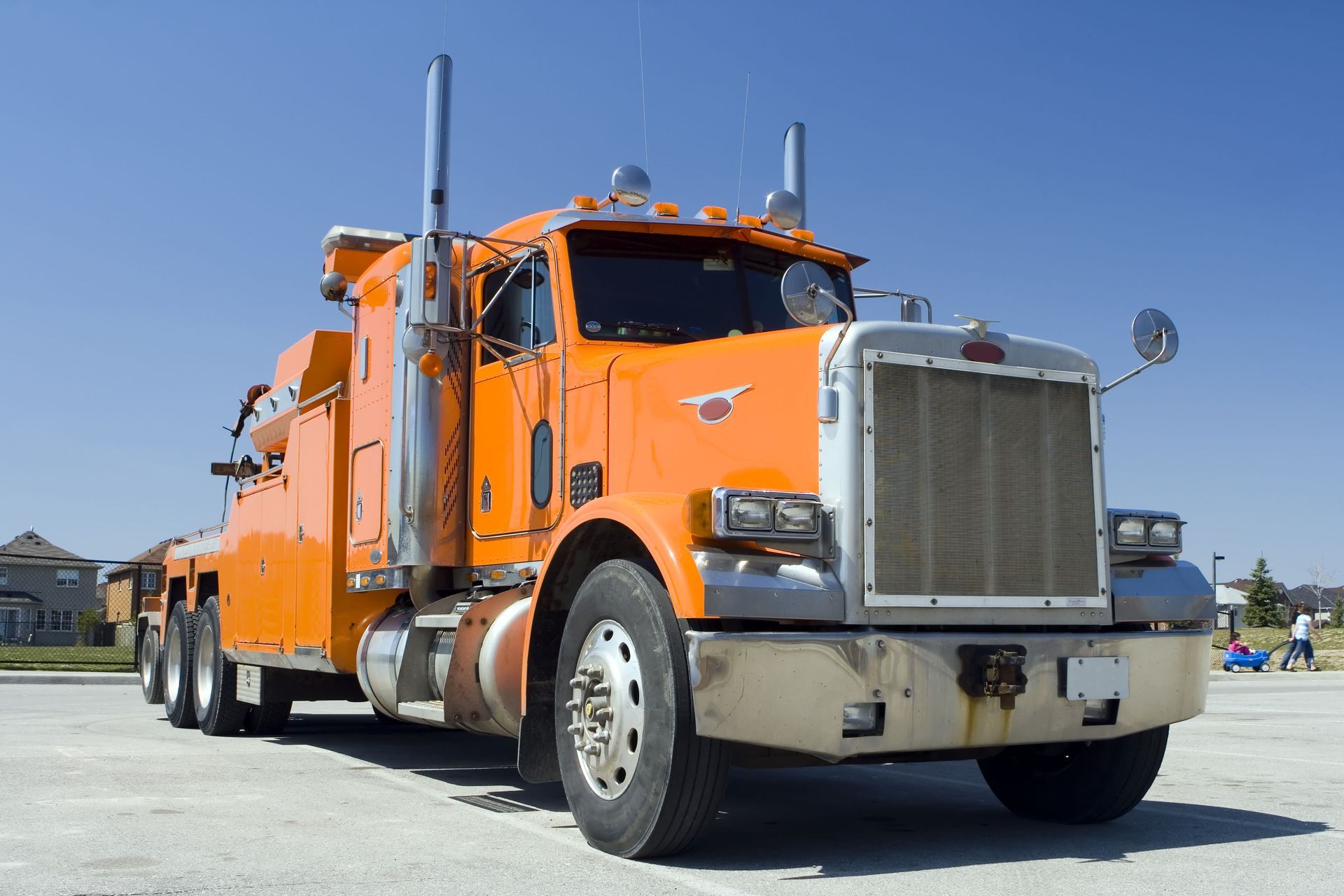
Distinguishing between everyday vehicle transport and specialized commercial recovery comes down to sheer weight and structural capacity. According to data provided by U.S. Cargo Control, heavy duty towing is typically reserved for machinery and vehicles that equal or surpass 17,000 pounds, or 8.5 tons, in overall weight, whereas light duty options are built primarily to assist passenger cars, light-duty pickup trucks, and compact SUVs. When a vehicle exceeds this multi-ton threshold, standard flatbeds and wheel-lifts run a severe risk of structural failure, frame bending, or catastrophic equipment snaps. A dedicated heavy towing service utilizes specialized wreckers built with reinforced chassis, heavy-duty boom cranes, and high-capacity hydraulic winches capable of handling massive payloads. These specialized rigs ensure that immense weight is evenly distributed during transport, keeping both the disabled machine and the recovery crew entirely safe. Attempting to move oversized equipment without these heavy-duty rigs invites severe road hazards and costly structural damages.
Managing Severe Commercial Engine Failures
When a major engine failure strikes a class 8 truck or fully loaded semi, the vehicle immediately becomes completely immobilized. Commercial diesel engines are vast, complex systems that generate massive torque, and when a catastrophic failure occurs, such as a thrown rod, blown turbocharger, or complete oil pressure collapse, the vehicle cannot limp to the nearest exit. Standard tow trucks lack the physical torque and braking control required to haul the massive dead weight of such large vehicles down a highway safely. A professional heavy towing service deploys heavy-duty wreckers equipped with integrated air-line connections that tie directly into the disabled rig's air brake system. This critical integration ensures that the towed vehicle's brakes function in tandem with the tow truck, preventing dangerous jackknifing or runaways during transport. Without this level of engineering, moving a massive rig with a dead engine is virtually impossible.
Handling Heavy Axle and Drivetrain Disruption
Axle snaps, differential locks, and driveshaft sheared breakdowns present complex challenges that prevent standard towing methods from functioning. When a heavy commercial vehicle suffers a shattered axle or locked differential, the wheels can lock up completely, turning heavy tires into solid rubber anchors. Dragging a vehicle in this state causes extreme tire destruction, severe pavement damage, and risk of rollover. Specialized crews must perform detailed mechanical disconnections on-site, such as pulling the axle shafts or dropping the driveshaft, before the vehicle can even be moved safely. A reliable heavy towing service provides the specialized tools, Under-Reach wheel-lift systems, and heavy-duty dollies needed to lift the damaged axle off the ground entirely. By suspending the disabled drive components, operators can transport the vehicle without causing further damage to the transmission or drivetrain.
Recovering Rolled Over Commercial Rig Fleets
Commercial vehicle rollovers represent some of the most dangerous and technical emergencies on modern highways. Whether caused by high winds, sudden swerving, or shifted cargo, a rolled tractor-trailer blocks multiple lanes of traffic and poses immediate hazards to surrounding motorists. Standard towing equipment lacks the leverage and weight capacity to upright a massive machine lying on its side. In these intense situations, dispatching a skilled heavy towing company brings specialized rotator cranes into action. These massive rotators feature rotating booms capable of lifting immense weight with surgical precision. Recovery specialists use heavy webbing, air cushions, and synchronized winch lines to slowly upright the vehicle without crushing its fragile cargo container or damaging the structural frame. Once the rig is upright, heavy-duty booms hoist it onto a transport wheel-lift for safe removal.
Extracting Vehicles Stuck in Severe Off-Road Conditions
Heavy transport vehicles do not always break down on smooth, flat asphalt. Construction equipment, dump trucks, and loaded concrete mixers often find themselves stuck deep in mud, soft soil, steep embankments, or snowbanks off the main road. The massive weight of these vehicles causes them to sink rapidly, creating a vacuum effect that makes extraction extremely difficult for conventional winches. Calling a qualified heavy towing service ensures that high-tonnage recovery winches and specialized anchor vehicles arrive at the scene. These heavy recovery rigs use multi-line winch setups to amplify pulling force, safely breaking the suction of the mud without tearing away the disabled vehicle's bumper or frame components. The technical expertise required to calculate pull angles and resistance prevents structural twist during high-tension extractions.
Transporting Stranded Passenger Buses and Large RVs
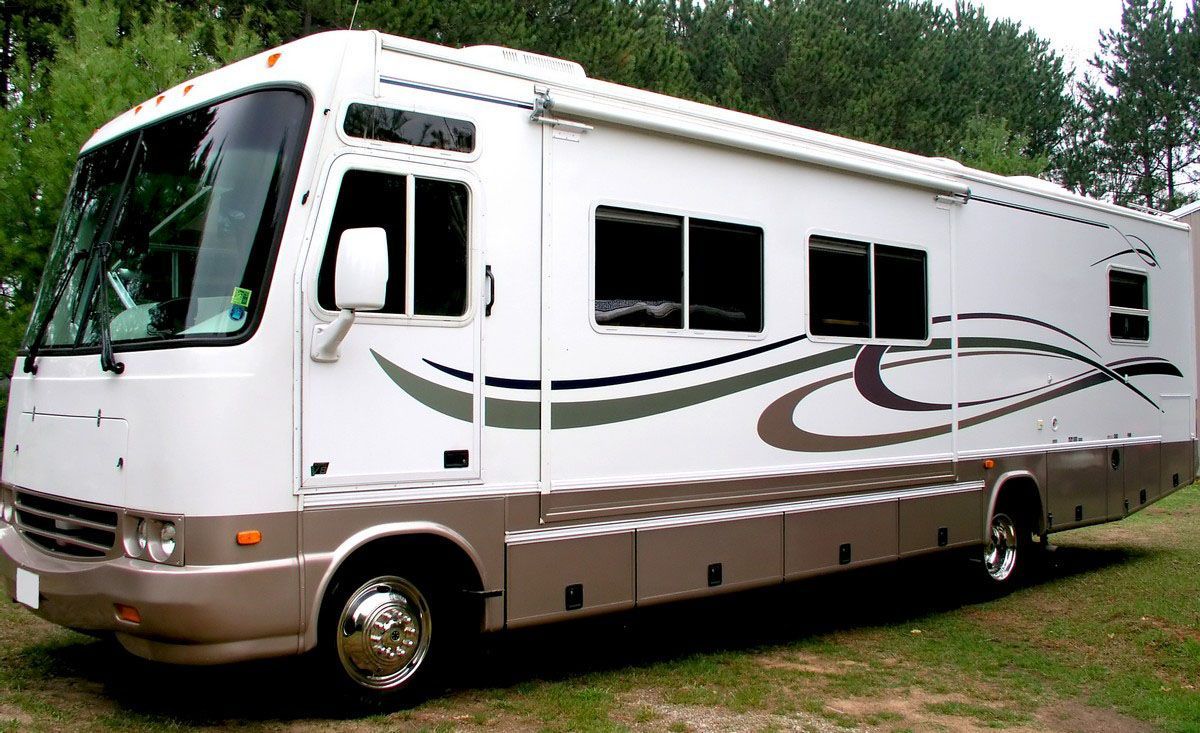
Motorcoaches, city transit buses, and large Class A recreational vehicles present unique recovery obstacles due to their long wheelbases, low ground clearance, and fiberglass bodies. When these vehicles experience transmission lockups, electrical fires, or severe suspension collapses, a typical flatbed is far too short and light to assist. Furthermore, improper hookup points can easily crack expensive fiberglass panels or bend structural frame rails. Utilizing an experienced heavy towing company guarantees access to specialized under-reach towing apparatuses that extend far beneath the vehicle's front axle. This equipment lifts the bus or RV purely by its tires or structural suspension points, preserving bodywork and preventing undercarriage scraping. The heavy wrecker provides the necessary stability to haul these top-heavy vehicles across long distances to specialized repair centers.
Clearing Jackknifed Tractor-Trailers from Highways
Jackknife incidents occur when a commercial truck's cab and trailer fold in on each other, creating an acute angle that completely immobilizes the rig and blocks multiple lanes. This often happens on slippery or icy roads when the trailer skids forward while the cab stops abruptly. Unlocking a jackknifed rig requires precise mechanical force applied to both the tractor and the trailer simultaneously to prevent the rig from flipping over or causing further highway collisions. A certified heavy towing service brings the necessary multi-vehicle coordination and heavy rigging equipment to solve the gridlock. Recovery operators secure heavy winches to strategic tension points on both the cab and trailer, gradually pulling them back into alignment while controlling the vehicle's air brakes. Once straightened, the wrecker hooks up to the combination unit and clears the highway swiftly.
Securing Shifted or Overturned Hazardous Cargo Loads
When a heavy truck carrying bulk liquid, heavy machinery, or loose industrial cargo breaks down or suffers an accident, the internal load can shift dangerously. A shifted load completely alters the vehicle's center of gravity, making standard towing extremely dangerous due to the high risk of tipping over during transit. In severe cases, cargo must be stabilized, re-secured, or transferred to another trailer before the vehicle can be moved safely. Contracting a professional heavy towing company provides access to complete incident-management teams trained in heavy load stabilization and site clearing. Operators utilize heavy-duty air lifting bags, mobile cranes, and specialized rigging gear to rebalance the load or safely transfer cargo. Once the weight is safely redistributed, the heavy wrecker securely hooks up the rig, protecting highway traffic and ensuring the payload reaches its destination without further incident.
Major commercial breakdowns demand specialized equipment, high-capacity machinery, and rigorous technical expertise to resolve safely. From massive engine lockups and axle failures to complex rollovers and jackknifes, heavy wrecker operators possess the tools needed to handle multi-ton recoveries. When a massive commercial rig stalls, relying on certified professionals ensures the highway stays clear and valuable transport assets remain protected. For more insight on when a
heavy towing service is most suited to a vehicle breakdown, please contact Girardi's Towing, Heavy Haul & Crane today.