November 3, 2026
Commercial fleets play an important role in keeping businesses operating, delivering goods, and transporting equipment. However, unexpected breakdowns, tire problems, and mechanical failures can disrupt schedules and pose safety risks to drivers and other motorists. Preparing vehicles for these situations helps businesses reduce downtime, protect employees, and maintain reliable operations. With proper maintenance, emergency procedures, and access to heavy towing services, fleet managers can respond more effectively when problems occur on the road.
Maintaining Vehicles Through Regular Inspections
Preventive maintenance is one of the most effective ways to reduce the likelihood of roadside emergencies. Commercial vehicles often travel long distances, carry substantial loads, and operate under demanding conditions. These factors can accelerate wear on critical components, making routine inspections essential for keeping vehicles roadworthy.
Fleet managers should establish inspection schedules based on manufacturer recommendations, mileage, operating conditions, and vehicle usage. Drivers should also complete pre-trip and post-trip inspections to identify problems before they become serious.
Important components to check include:
- Tires for uneven wear, visible damage, and proper inflation.
- Brakes for unusual noises, reduced responsiveness, and worn components.
- Engine oil, coolant, and other essential fluid levels.
- Batteries, lights, and electrical connections.
- Steering and suspension components for signs of damage.
- Hoses, belts, and other parts that may deteriorate with use.
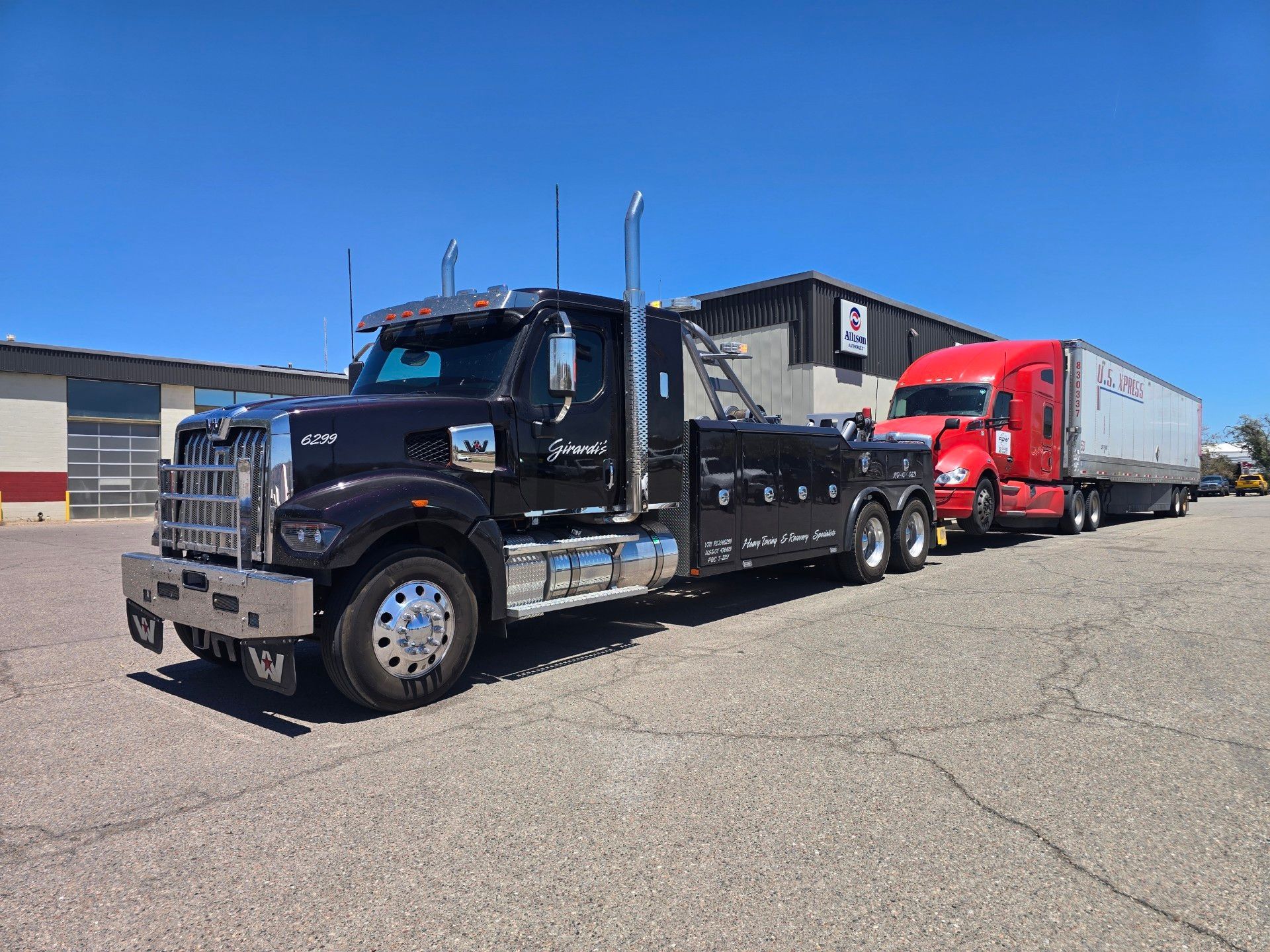
Documenting inspection results allows fleet managers to track recurring problems and schedule necessary maintenance. Addressing concerns early can prevent avoidable breakdowns and reduce the need for emergency assistance. When a vehicle experiences a major mechanical failure, having access to reliable heavy towing services can help businesses move it to an appropriate repair facility.
Equipping Vehicles With Essential Emergency Supplies
Even well-maintained commercial vehicles can experience unexpected problems. Equipping each vehicle with appropriate emergency supplies helps drivers manage minor issues, remain visible to other motorists, and stay safer while waiting for professional assistance.
The specific supplies needed will depend on the vehicle type, route, weather conditions, and cargo. Fleet managers should develop a standardized checklist and verify that drivers have the equipment required for their assignments.
Useful emergency supplies include:
- A well-stocked first-aid kit.
- Reflective safety vests and warning triangles.
- A flashlight with spare batteries or a rechargeable power source.
- A properly rated fire extinguisher, where required.
- Drinking water and weather-appropriate protective clothing.
- A charged mobile phone and backup power bank.
- Basic tools and vehicle-specific emergency equipment.
- Contact information for dispatchers, roadside assistance providers, and emergency services.
Drivers should know where supplies are stored and how to use them safely. Emergency equipment should also be inspected regularly to ensure it remains accessible and functional.
Businesses operating trucks, trailers, or other heavy vehicles should account for the specific roadside risks associated with their operations. Standard passenger-vehicle equipment may not be sufficient for larger commercial units, especially when a breakdown requires specialized recovery or heavy towing services.
Establishing Clear Emergency Response Procedures
When a commercial vehicle breaks down, uncertainty can delay assistance and increase safety risks. Clear procedures help drivers understand what to do, whom to contact, and how to communicate essential information to fleet managers.
Every driver should receive training on the company's roadside emergency protocol. The process should prioritize personal safety before vehicle recovery, cargo protection, or schedule adjustments.
A practical response procedure should include the following steps:
- Move to a Safe Location: If possible, guide the vehicle away from moving traffic and stop in a safe area. Activate hazard lights and follow applicable roadside safety requirements.
- Assess the Situation: Identify any immediate hazards, such as smoke, leaking fluids, damaged tires, or unusual engine conditions. Drivers should avoid attempting repairs that could expose them to danger.
- Notify Dispatch: Report the vehicle's location, direction of travel, visible problem, and any immediate safety concerns.
- Contact Appropriate Assistance: Arrange roadside support or heavy towing services when the vehicle cannot be operated safely.
- Document the Incident: Record relevant details, including the time, location, symptoms, and actions taken, once the immediate situation is under control.
Drivers should never attempt to inspect or repair a vehicle in an unsafe location. If a vehicle is disabled in an active traffic lane or another dangerous area, the driver should contact emergency services when necessary and follow instructions from qualified responders.
Preparing Drivers for Common Roadside Emergencies
Training helps drivers recognize developing problems and respond appropriately when a breakdown occurs. Although not every emergency can be prevented, informed employees are better equipped to identify hazards, communicate clearly, and avoid actions that could worsen the situation.
Fleet managers should provide regular training on common roadside scenarios, including flat tires, overheating engines, battery failures, brake problems, and weather-related incidents. Drivers should understand which situations may permit a safe, simple response and which require professional assistance.
For example, an overheating engine may indicate a cooling-system problem that should not be ignored. Continuing to drive can cause additional damage, while opening a hot radiator cap can expose a driver to scalding coolant. Similarly, brake problems or steering difficulties should prompt drivers to stop safely rather than continue toward the destination.
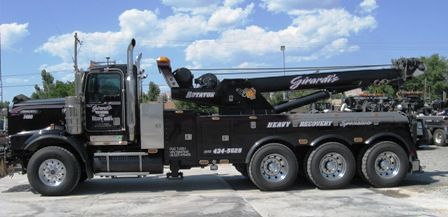
Training should also cover how to recognize when heavy towing services are necessary. Large commercial vehicles may require specialized equipment, trained operators, and careful recovery planning. Attempting an improvised tow or moving a disabled truck without appropriate equipment can create additional risks.
Periodic refresher sessions and practical exercises can reinforce these procedures. Fleet managers should encourage drivers to report unusual noises, warning lights, and changes in handling rather than waiting for a complete breakdown.
Coordinating Reliable Roadside Assistance
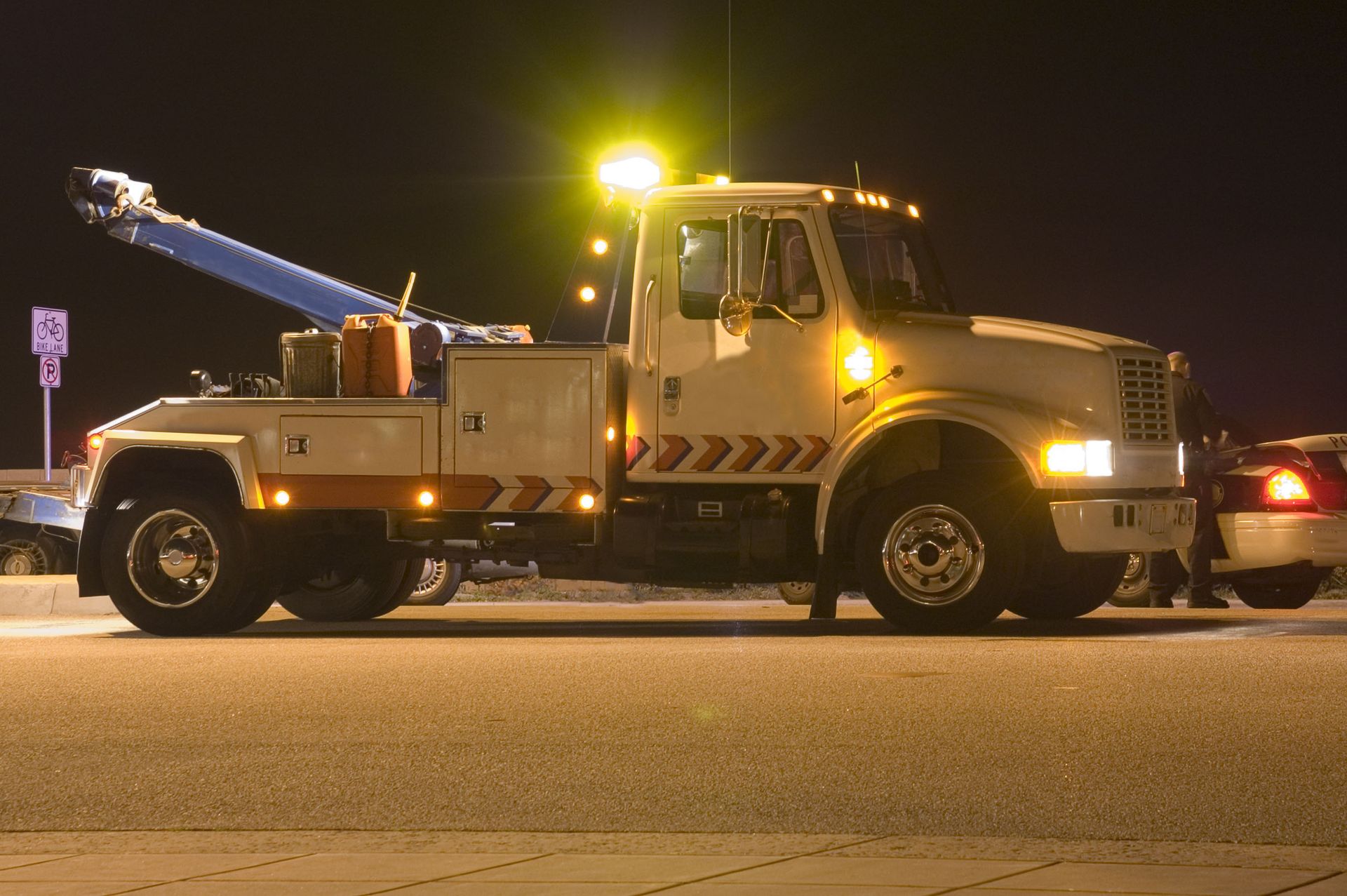
A well-prepared fleet needs a dependable plan for obtaining help when a vehicle becomes disabled. Establishing relationships with qualified towing and roadside assistance providers before an emergency occurs can reduce delays and help managers make informed decisions under pressure.
According to Otonomo, roadside assistance providers in the United States handle an average of 1.76 million calls annually. This substantial demand illustrates why businesses benefit from establishing clear procedures and knowing whom to contact before an unexpected vehicle problem occurs.
Fleet managers should evaluate providers based on their experience, service capabilities, response processes, and ability to accommodate the vehicles in their fleet. Businesses operating heavy-duty trucks or transporting oversized equipment should confirm that their chosen provider can handle the relevant vehicle sizes and recovery requirements.
When arranging assistance, dispatchers should be ready to provide:
- The vehicle's precise location and direction of travel.
- The vehicle type, approximate weight, and relevant dimensions.
- Details about the mechanical problem or accident.
- Information about cargo and any special handling concerns.
- Any immediate hazards affecting the scene?
Accurate information helps providers determine the appropriate equipment and plan the response. Access to heavy towing services is particularly important when a commercial vehicle cannot be moved using standard roadside equipment.
Fleet managers should periodically review provider contact information, confirm that coverage meets operational needs, and evaluate response performance after incidents. These steps help maintain a reliable support network.
Protecting Fleet Operations Through Emergency Planning
Roadside emergencies can affect delivery schedules, operating expenses, driver safety, and customer satisfaction. A comprehensive preparation plan helps businesses limit these disruptions by combining preventive maintenance, driver training, emergency supplies, and dependable recovery arrangements.
Fleet managers should review incident reports to identify recurring mechanical issues, high-risk routes, and gaps in existing procedures. These findings can guide maintenance decisions, training updates, and improvements to emergency response plans. Businesses should also ensure that drivers understand how to report incidents and receive support at any time their vehicles are operating.
Preparing for emergencies does not eliminate every breakdown, but it can make unexpected situations easier to manage. With regular inspections, clear communication, and access to qualified heavy towing services, commercial fleets can improve safety and return disabled vehicles to service more efficiently.
To prepare your fleet for unexpected breakdowns and recovery needs, contact Girardi's Towing, Heavy Haul & Crane to discuss professional towing and heavy-duty recovery solutions for your commercial vehicles.