October 23, 2026
This article provides insight into the essential function of traffic management during highway recovery operations and highlights the vital role of heavy towing services. These services are crucial for rapidly clearing lanes and ensuring a well-coordinated flow of traffic and recovery teams. By combining the capabilities of heavy towing with sophisticated traffic management strategies, highway recovery operations become significantly more efficient and less disruptive to traffic flow. Understanding the complexities and challenges involved in highway recoveries underscores the necessity for strategic planning and execution to ensure safety and efficiency on our roadways.
Ensure Safety Through Efficient Coordination
Efficient traffic management is paramount during highway recovery as it ensures the safety of both the recovery crews and the motorists navigating the affected area. Given that highways often handle a high volume of traffic moving at high speeds, any delay in managing these areas can lead to secondary accidents, exacerbating an already perilous situation. Properly managed traffic channels help to buffer recovery professionals from vehicular harm and direct drivers safely past the site of an incident, reducing the risk of a collision. Timely interventions guided by well-planned traffic management strategies are crucial in maintaining safety, smoothing the flow of vehicles, and facilitating an effective recovery process. Continuous monitoring by traffic control personnel ensures that the flow remains unimpeded, preventing potential bottlenecks. Implementing additional safety measures, such as deploying police patrols, enhances the protective envelope around both the scene and ongoing traffic.
Furthermore, traffic management involves the use of signs, cones, and barriers that delineate safe pathways for vehicles and keep emergency lanes clear for heavy towing services and emergency response crews. The synchronization of these elements with communication networks enhances safety, allowing for a swift response to any developments. The importance of such measures becomes clear when considering the high number of vehicles involved in such processes; according to LookUpaPlate, approximately 55,000 vehicles are towed every day in America, marking a rapidly growing need for proficient traffic management during these instances. The integration of traffic management technology, like camera systems and real-time feedback loops, has also proven invaluable. It provides immediate data that helps adjust strategies in real time, optimizing both safety and efficiency on busy highways.
Minimize Congestion With Strategic Approaches
Beyond safety, another significant aspect of traffic management during highway recovery is minimizing congestion. Traffic build-up can lead to an undesirable ripple effect, causing delays that extend far beyond the initial incident site. This impact is not only an inconvenience for drivers but can have far-reaching economic consequences, translating to lost time and reduced productivity. By employing strategic rerouting and the deployment of traffic officers or intelligent transport systems (ITS), authorities can effectively redirect the flow of traffic to less congested parts of the network. The use of variable message signs (VMS) and updates delivered via navigation apps enhances this capability, offering drivers real-time alternatives to avoid backups. These technologies serve to balance the load on the traffic infrastructure.
Effective traffic management utilizes real-time data and predictive modeling to adjust traffic signals and manage lanes dynamically, thus alleviating congestion swiftly. Additionally, collaboration with heavy towing services allows for quicker removal of obstructing vehicles, further aiding in clearing pathways. Advanced systems and personnel work synergistically to expedite the recovery process, demonstrating a well-rounded approach to handling traffic congestion issues during highway recoveries. Collaboration with neighboring jurisdictions also plays a crucial role, ensuring that resources and information flow across boundaries to maintain a seamless traffic experience.
Foster Collaboration for Efficient Recovery
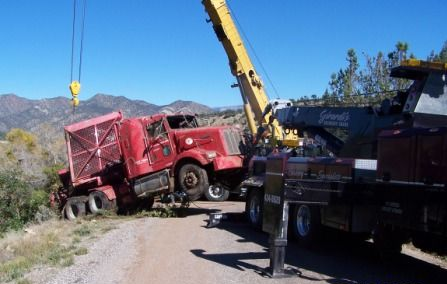
The importance of collaboration between traffic management authorities and heavy towing services cannot be overstated. Heavy towing services are critical in efficiently clearing damaged and immobilized vehicles from highways, a task that is essential for the swift resumption of normal traffic. This collaboration ensures that vehicles are promptly relocated, mitigating hazards and minimizing the time recovery crews are exposed to traffic dangers. Heavy towing services, equipped with specialized equipment and trained personnel, provide the necessary muscle to handle large vehicles and complex recovery scenarios. This specialized skill set makes a significant difference in reducing downtime during a highway incident, allowing for a faster return to normal traffic conditions.
Given the increasing number of vehicular incidents and the vast mileage of highways requiring attention, the synergy between these services and traffic management operations becomes vital. By coordinating closely with traffic managers, heavy towing services can deploy rapidly to the scene, forming an integral part of the recovery operation. Such strategic partnerships generate a comprehensive response, ensuring that the removal of vehicles contributes immediately to resolving congestion and enhancing safety on highways. The development of mutual training programs further strengthens these partnerships, as both parties learn the nuances of each other's operations, leading to even greater efficiency and preparedness.
Enhance Communication for Swift Response
Effective communication is the backbone of successful traffic management, particularly in recovery situations. Incorporating advanced communication systems allows for the seamless dissemination of information and alerts to the public regarding real-time traffic conditions and recovery efforts. Utilizing digital message systems, radio broadcasts, and mobile notifications, traffic management teams can inform drivers well ahead of their approach to an accident site, enabling them to make informed decisions on alternative routes and travel plans. The strategic positioning of digital signs further reinforces timely updates, enhancing public awareness and compliance.
Moreover, direct communication aids recovery units, including heavy towing services, in coordinating with traffic management centers to synchronize efforts and optimize resource deployment. This real-time communication approach ensures a unified response, where all involved parties are aligned in their operations. The efficiency with which messages are relayed and acted upon can significantly ease the disruption caused by highway recoveries, enhancing both safety and operational effectiveness. Incorporating feedback systems into these communication platforms allows ongoing improvements to response strategies and public engagement efforts.
Implement Post-Recovery Measures for Future Preparedness
Once an incident has been resolved and the highway is cleared, post-recovery traffic management becomes crucial in ensuring a smooth transition back to regular traffic flow. This phase involves a comprehensive review and analysis of the situation to understand the impact of the recovery operation and to implement strategies that prevent future congestion and potential hazards. Feedback from past incidents is invaluable, providing insights for refining recovery strategies and better managing traffic scenarios in future events. Continuous learning and adaptation from these incidents ensure that traffic management systems evolve to meet growing demands and complex challenges.
The deployment of traffic police, the use of traffic cameras to monitor the normalization process, and continuous updates via communication systems help maintain orderly traffic as it resumes normal patterns. Additionally, engaging with heavy towing services during debriefing sessions can yield valuable recommendations that feed into improving overall traffic management strategies. These efforts solidify the essential role of post-recovery actions as part of a holistic approach to managing highway recovery operations. As part of continuous improvement efforts, scenario-based training exercises can be conducted, enhancing readiness for future incidents.
As traffic volumes continue to increase, the capacity to manage incidents effectively becomes more critical, requiring robust systems and close cooperation among all involved parties. The future of highway recovery operations will depend heavily on innovations in traffic management and the ongoing development of strategic partnerships. Continuous advancement in technology and the strengthening of these collaborative efforts will be key in addressing the needs of evolving traffic landscapes, promising safer and more efficient highways for everyone. Reach out to Girardi's Towing, Heavy Haul & Crane to learn more about our heavy towing services today.