October 19, 2026
Roadside conditions play a major role in determining the safety, speed, and complexity of truck recovery operations. Weather, terrain, road infrastructure, and traffic can all affect how recovery teams approach a stranded or disabled vehicle. Understanding these factors helps recovery professionals select suitable equipment, plan effective strategies, and protect everyone involved in the operation.
How Weather Conditions Affect Recovery
Rain, snow, ice, and strong winds can create hazardous conditions for truck recovery teams. Wet roads reduce traction, while snow and ice make it harder for recovery vehicles to reach disabled trucks safely. Heavy rain can also cause flooding and poor visibility, requiring teams to adjust their approach to protect personnel and surrounding traffic.
Extreme temperatures present additional challenges for recovery equipment and personnel. Heat can contribute to equipment overheating, while freezing conditions can affect machinery performance and make roads more dangerous. Professional heavy towing services account for weather conditions when planning recoveries, selecting equipment, and establishing appropriate safety measures.
Seasonal changes also influence roadside recovery requirements. Heavy rainfall may make certain routes inaccessible, while fallen leaves and other debris can reduce traction and visibility. Monitoring weather forecasts and preparing for seasonal hazards helps recovery teams respond efficiently while reducing unnecessary risks.
How Terrain Influences Recovery Operations
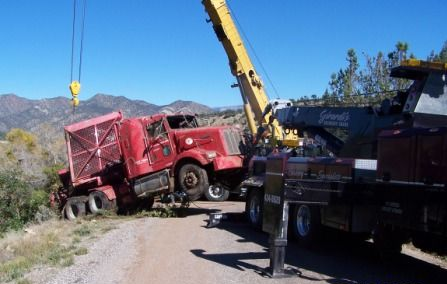
The type of terrain surrounding a disabled truck determines which recovery methods and vehicles are appropriate. Flat, paved roads generally provide easier access than steep hills, uneven shoulders, or rocky surfaces. When a truck becomes stranded on challenging terrain, recovery professionals must assess the vehicle's position, ground stability, and available space before selecting an appropriate recovery strategy.
Remote locations create additional logistical difficulties because they may have limited road access, weak communication coverage, and fewer nearby resources. Recovery teams must account for these limitations when transporting equipment and coordinating assistance. Experienced heavy towing services prepare for difficult access conditions by selecting suitable vehicles and planning routes that accommodate the size and weight of the equipment involved.
Urban and rural recoveries also require different approaches. Busy urban roads may demand extensive traffic coordination, while rural locations can involve longer response distances and limited access to support services. Environmental considerations become especially important near waterways, protected landscapes, and wildlife habitats, where recovery activities must minimize unnecessary disturbance.
How Road Infrastructure Affects Recovery
Road surface conditions can influence both recovery vehicle access and the stability of the disabled truck. Potholes, loose gravel, eroded shoulders, and damaged pavement can make it difficult to position heavy equipment safely. Recovery teams must evaluate these conditions before beginning work to reduce the risk of further vehicle damage or additional roadside incidents.
Road width and layout also determine how recovery equipment can be positioned. Narrow lanes, sharp curves, steep inclines, and restricted shoulders can limit maneuverability, particularly when recovering large commercial trucks. Professional heavy towing services consider these limitations when selecting recovery vehicles and determining how to approach the disabled truck.
Guardrails, roadside barriers, and nearby structures may further restrict access. Although these features provide important protection for motorists, they can complicate the positioning of cranes, winches, and towing equipment. Recovery professionals must account for these obstacles while coordinating with relevant authorities when traffic control or infrastructure access is necessary.
Traffic management remains essential throughout the recovery process. Warning signs, appropriate traffic control measures, and coordination with law enforcement can help protect workers and approaching motorists. In high-traffic areas, an organized response reduces unnecessary delays and helps prevent secondary accidents while recovery work is underway.
How Tire and Equipment Conditions Affect Recovery
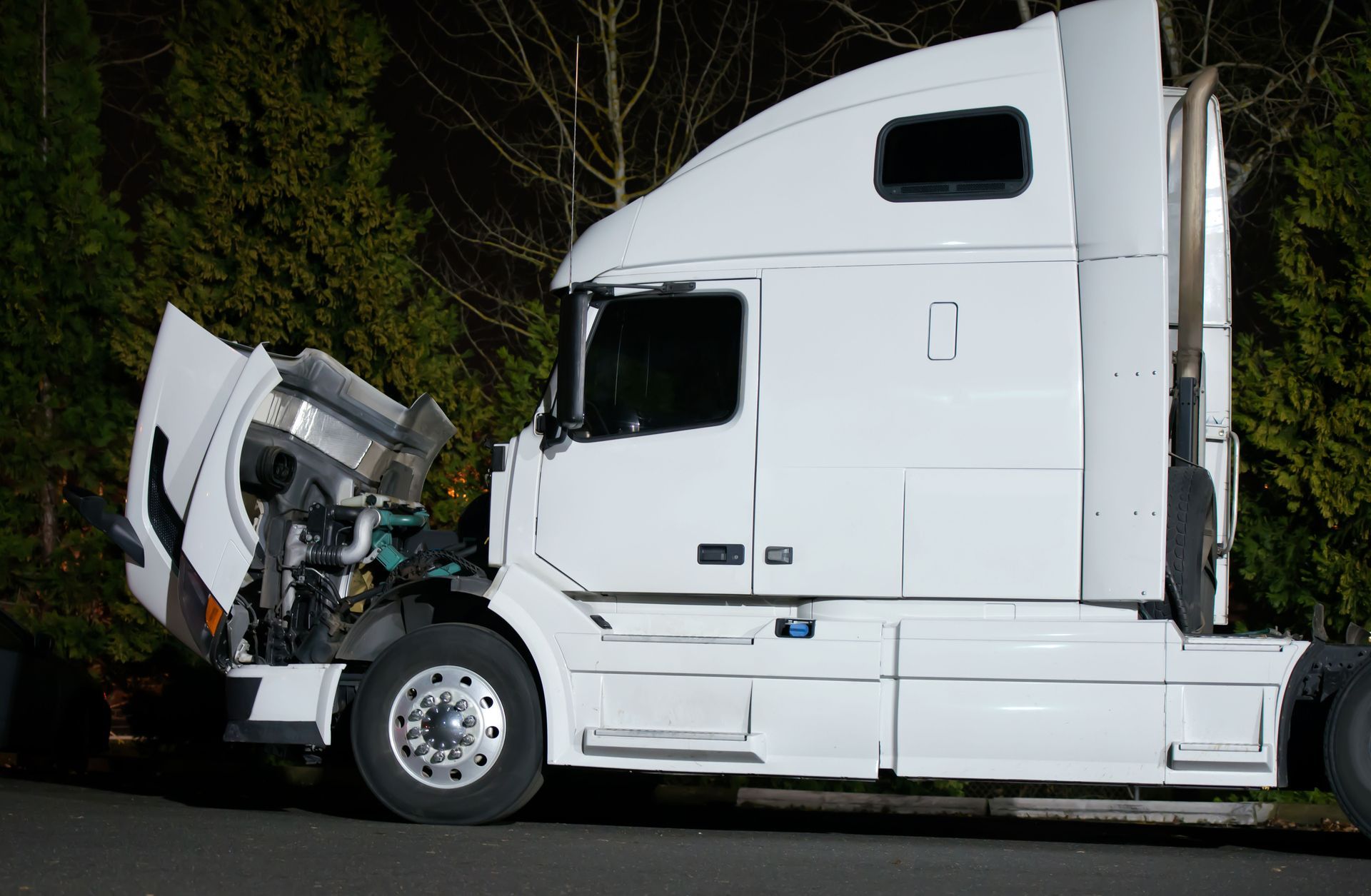
Vehicle and equipment condition can significantly influence the complexity of roadside recovery. Damaged tires, mechanical failures, and problems with critical vehicle components may leave commercial trucks stranded in locations that create additional hazards. According to Carsurance, 54% of roadside breakdown cases happen due to problems with tires, highlighting how tire-related issues can contribute to roadside incidents.
The condition of the disabled truck helps determine which recovery methods are appropriate. A vehicle with damaged wheels, compromised steering, or structural problems may require specialized equipment and additional stabilization before it can be moved. Professional heavy towing services assess these circumstances carefully to minimize further damage and maintain a controlled recovery process.
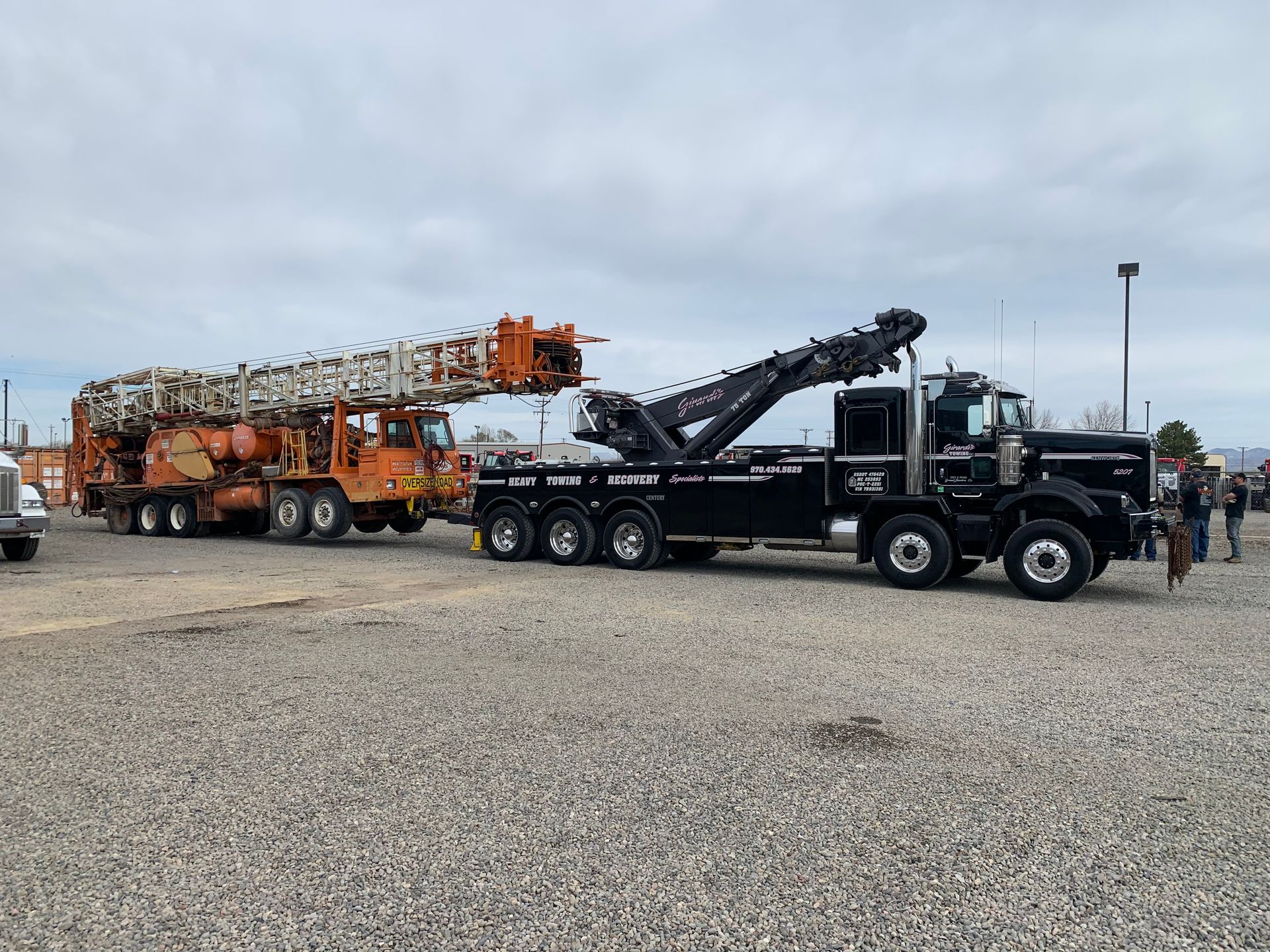
The recovery equipment itself must also be suitable for the task. Heavy-duty tow trucks, rotators, cranes, and hydraulic winches serve different purposes depending on vehicle size, weight, position, and accessibility. Regular equipment inspections and maintenance help recovery companies maintain reliable operations and reduce the likelihood of equipment-related delays.
How Laws and Safety Requirements Shape Recovery
Truck recovery operations must follow applicable safety regulations, licensing requirements, and transportation rules. Depending on the location and circumstances, certain recoveries may require permits, traffic restrictions, or coordination with public authorities. Understanding these requirements helps prevent avoidable delays and ensures that recovery activities comply with relevant regulations.
Environmental regulations may also affect how recovery operations are performed. Accidents involving fuel, oil, or other hazardous materials can require containment measures and specialized response procedures to protect surrounding soil and waterways. Recovery teams must recognize these risks and coordinate with appropriate emergency personnel when additional environmental precautions are necessary.
Liability and insurance considerations are equally important. Recovery companies must account for potential property damage, equipment incidents, and contractual responsibilities when planning operations. Clear documentation, appropriate insurance coverage, and communication with relevant parties help manage these risks and support professional service delivery.
How Technology Improves Recovery Coordination
Modern technology helps recovery teams respond to changing roadside conditions more effectively. GPS navigation and digital mapping allow operators to identify accessible routes, avoid restrictions, and locate disabled vehicles more accurately. These tools are particularly useful when a truck breaks down in a remote area or when road closures prevent access through the usual route.
Communication systems also support coordination among recovery personnel, dispatchers, law enforcement, and other emergency responders. Radios and mobile communication platforms allow teams to share updates about traffic, weather, equipment requirements, and changing hazards. By maintaining reliable communication, heavy towing services can adjust their plans and allocate resources more effectively.
Advanced recovery equipment further improves operational capabilities. Hydraulic systems, specialized lifting equipment, and modern towing vehicles allow trained professionals to handle demanding recoveries with greater control. Technology does not eliminate every roadside hazard, but it can help teams make better-informed decisions and improve coordination throughout the operation.
How Personnel Experience Influences Recovery Outcomes
The knowledge and experience of recovery personnel are central to safe and efficient operations. Team members must understand equipment limitations, vehicle stabilization, load handling, and roadside safety procedures. Ongoing training helps professionals remain prepared for different vehicle types, changing weather conditions, and complex recovery scenarios.
Stress and fatigue can also affect performance, particularly during extended operations or difficult roadside incidents. Recovery companies can help reduce these risks through appropriate scheduling, rest periods, clear communication, and established operating procedures. A well-coordinated team is better positioned to evaluate hazards and respond appropriately when conditions change.
Leadership and communication are equally important when multiple recovery vehicles or specialized operators are involved. Clear responsibilities help ensure that equipment is positioned correctly and that personnel understand the recovery plan. Professional heavy towing services rely on coordination and sound judgment to manage complicated incidents while protecting workers, motorists, and valuable commercial vehicles.
How Professional Recovery Services Support Roadside Safety
Truck recovery involves much more than moving a disabled vehicle from one location to another. Weather, terrain, road design, mechanical damage, and regulatory requirements can all influence the equipment and procedures needed for a successful operation. Assessing these conditions before and during recovery helps professionals manage risks and reduce unnecessary disruptions.
Choosing an experienced recovery provider is especially important when commercial trucks are overturned, immobilized on uneven ground, or positioned in hazardous traffic conditions. The right team can evaluate the situation, select suitable equipment, and coordinate the recovery according to the circumstances. Reliable heavy towing services help commercial vehicle operators address unexpected breakdowns while prioritizing safety and minimizing further complications.
When roadside conditions make recovery difficult, working with trained professionals can make a meaningful difference. Girardi's Towing, Heavy Haul & Crane provides towing and recovery assistance for demanding vehicle and equipment situations. Contact Girardi's Towing, Heavy Haul & Crane to discuss your recovery needs and learn how its services can help address challenging roadside situations.