October 26, 2026
When a semi, bus, or loaded trailer stops moving on a busy highway, the clock starts ticking for everyone involved. Drivers lose hours, fleet managers lose revenue, and other motorists sit in growing traffic. Understanding average incident duration helps you set realistic expectations when you call for heavy towing services, and it shows why preparation and professional help make such a big difference. Not every roadside event follows the same timeline. A simple jumpstart might wrap up quickly, while an overturned tractor-trailer can tie up a lane for much of the day. This guide breaks down the factors that shape how long an incident lasts and what you can do to keep delays to a minimum.
How Crews Measure Average Incident Duration
Incident duration covers the full span of a roadside event, from the moment a vehicle stops to the moment the roadway returns to normal. Traffic professionals typically divide that span into several phases: detection, response, on-scene clearance, and the return of normal traffic flow. Each phase adds time, and a delay in one stage often ripples into the next. Clear communication at the start of a call can trim minutes from the detection and response phases, since dispatchers can send the right truck right away.
For heavy vehicles, the on-scene clearance phase usually takes the largest share of the clock. A tow operator must assess the vehicle, plan the safest approach, rig the equipment, and move the load without causing more damage. When you look at average incident duration for heavy towing services, you are really looking at how efficiently crews handle each of these steps. Knowing the phases helps drivers and dispatchers understand where time goes and where the right partner can save it.
How Vehicle Size Extends the Timeline
Heavy vehicles simply demand more from a recovery team than passenger cars do. A loaded semi-trailer, a box truck, or a motor coach carries far more weight and sits on a longer wheelbase, so operators cannot hook it up and drive away in a few minutes. In our experience, a heavy-duty recovery can take two to four times longer than a standard car tow, depending on the load and the vehicle's position.
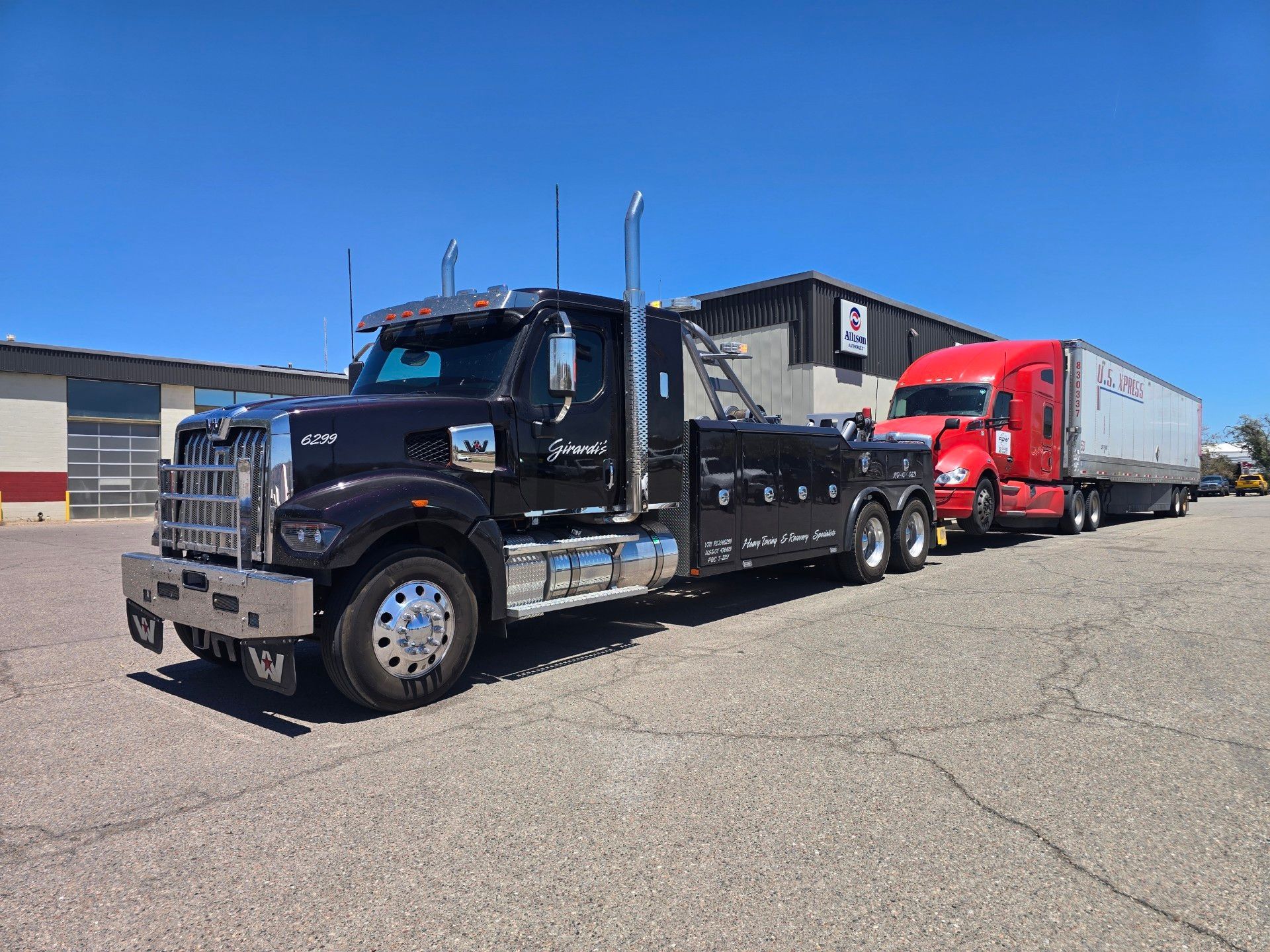
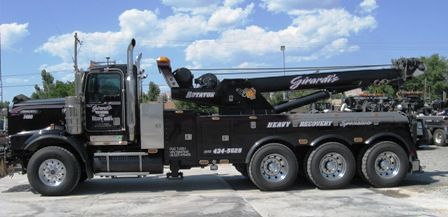
Weight distribution matters as well. Operators must identify proper connection points, secure cargo, and sometimes offload freight before a tow can begin. Buses, semi-tractors, and commercial equipment each come with unique design challenges. Vehicle condition also counts, since a truck with a damaged axle, locked brakes, or a compromised frame needs extra stabilization before it can safely move. Heavy towing services that use heavy wreckers, flatbeds, and high-capacity winches can match the right tool to the job, which keeps the process safe and steady rather than rushed and risky.
How the Type of Incident Shapes Recovery Time
The nature of the problem plays a major role in incident duration. Mechanical issues such as a dead battery or an empty fuel tank often resolve on the spot. A heavy-duty jumpstart delivers the voltage a large diesel engine needs, and on-site fuel delivery puts a stranded truck back in motion without a tow at all. Battery failures often strike during cold snaps, when engines need more power to turn over. These calls tend to be the shortest because the vehicle stays upright and drivable.
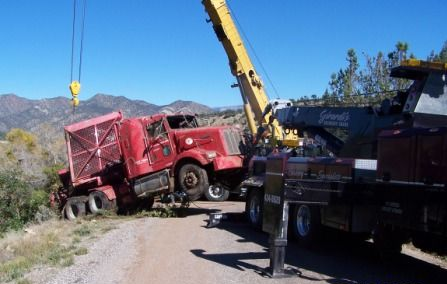
Accidents change the picture. An overturned semi or a jackknifed trailer requires careful planning, and crews may need to wait for law enforcement to clear the scene before work begins. Spilled cargo, damaged guardrails, and fluid leaks add further steps. Winch outs fall somewhere in the middle. A truck stuck in mud or snow needs controlled pulling power, but the job usually moves faster once operators establish secure anchor points. Matching the call to the right heavy towing services from the start prevents the costly delay of sending the wrong equipment.
How Seasonal Travel Affects Roadside Demand
Traffic volume rises and falls throughout the year, and so does the number of roadside incidents. Recreational vehicles offer a clear example. According to the RVIA, summer is the most common travel season for 81% of Class A owners, with fall ranking second at 57%, spring third at 46%, and winter last at 36%. Those figures show how heavily RV traffic concentrates in the warmer months, which places more large vehicles on highways and mountain passes while commercial freight continues to move.
Busier roads can lengthen incidents in two ways. First, demand for heavy towing services climbs, so response times may stretch during peak travel periods. Second, heavier traffic makes scene management harder, as crews must work around more vehicles and set up wider safety zones. Winter brings its own challenges, including icy roads, reduced daylight, and snow-covered shoulders that slow every phase of a recovery. Planning ahead for each season helps drivers and fleet managers avoid surprises.
How Terrain and Location Complicate Recovery
Where an incident happens matters as much as what happens. A breakdown on a wide, flat interstate shoulder gives operators room to position equipment and work safely. A rollover in a ditch, on a steep embankment, or along a narrow mountain road creates a far more complex job. Off-road recovery often requires extra rigging, multiple anchor points, and slow, deliberate pulls to avoid further damage to the vehicle or the surrounding land.
Remote locations also add travel time before work can even start. Rural highways and canyon routes may sit far from the nearest heavy wrecker, and spotty cell coverage can make communication difficult. Drivers who share precise location details, describe the surrounding terrain, and note any hazards help dispatchers send the right equipment on the first trip. That simple step can shave significant time off the overall incident.
How Professional Crews Shorten Downtime
Experience makes the biggest difference in how long an incident lasts. Skilled operators read a scene quickly, choose the safest recovery method, and avoid the trial-and-error approach that drags out an untrained response. Professional heavy towing services also carry the specialized tools that large vehicles require, from high-capacity winches to equipment built for buses, box trucks, and semi-trailers.
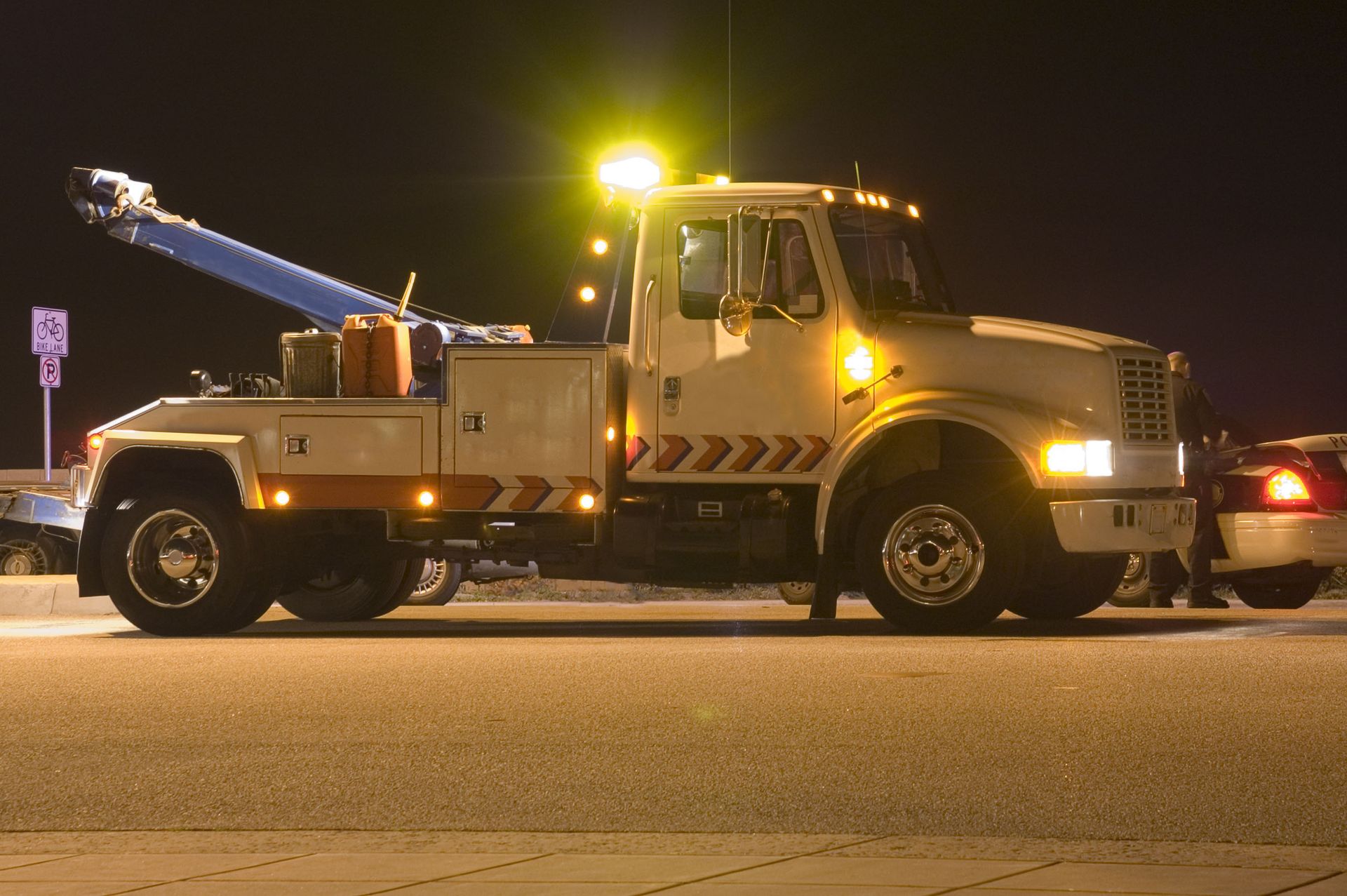
Round-the-clock availability matters too. Breakdowns and accidents do not keep business hours, and a provider that answers calls 24/7 closes the gap between the incident and the response. Secure vehicle storage can also help after a recovery, giving fleet managers time to arrange repairs without leaving a damaged truck on the roadside. Attempting a recovery without the proper training or equipment puts drivers, bystanders, and the vehicle at risk, and it often turns a short delay into a much longer one. Working with qualified heavy towing services keeps everyone safer and gets traffic moving sooner.
Average incident duration depends on many moving parts, including vehicle size, incident type, season, and location. While no one can control every factor, the right preparation and the right recovery partner can keep a roadside emergency from becoming an all-day ordeal. Keep emergency contact information handy, share clear details when you call, and choose a provider with the experience and equipment to handle large vehicles. Fleet managers can also build response plans into driver training so every team member knows what to do when a truck stops.
When your commercial truck, RV, or bus needs help, Girardi's Towing, Heavy Haul & Crane is ready to respond. Our team has provided heavy towing services since 1987, and we bring over 40 years of experience to every call. From accident recovery and winch outs to fuel delivery and jumpstarts, we work quickly and safely to get you back on the road. Contact us today, day or night, for heavy towing services you can count on.